 By ando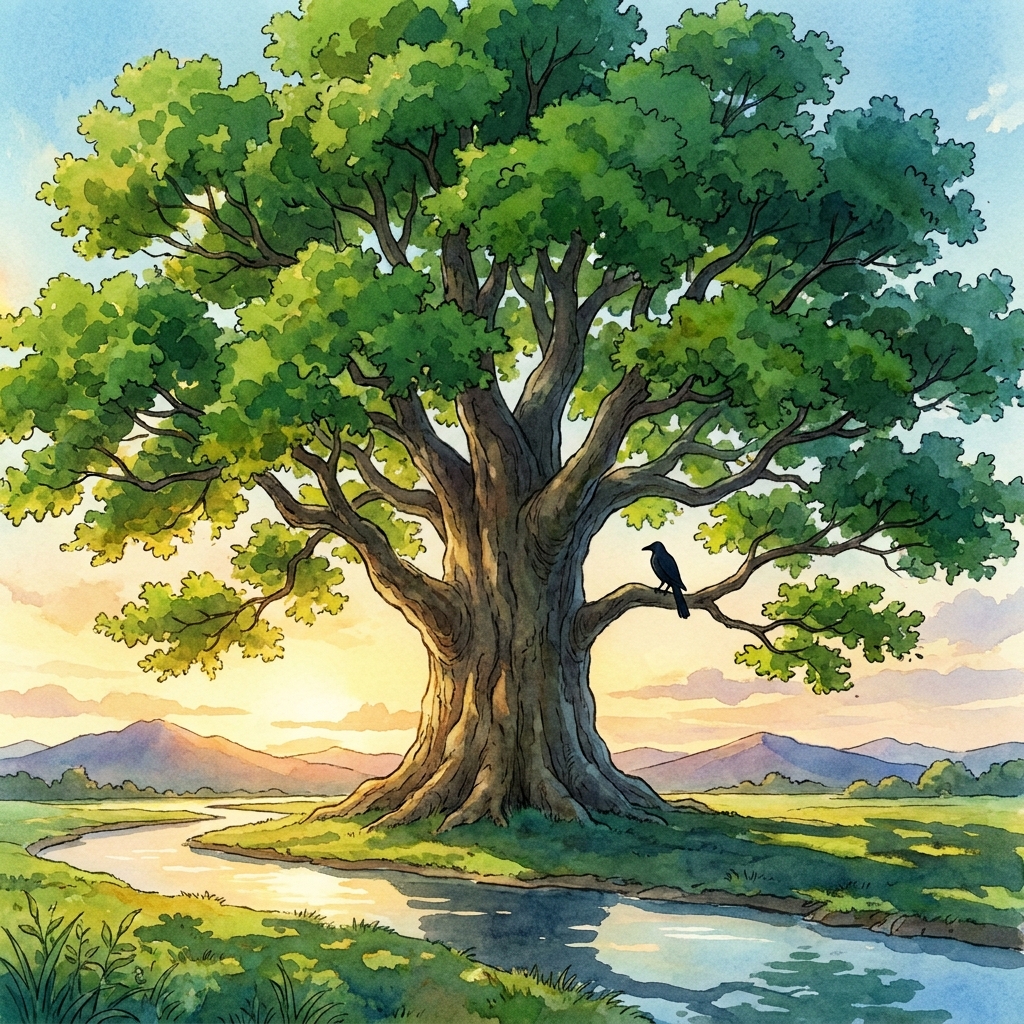
Nireyama Jinja is nestled in a quiet residential area of Fukaya City, Saitama Prefecture. At first glance, it appears to be a tranquil shrine beloved by the local community. However, it is actually an “Shikinaisha” (a shrine listed in the Engishiki Jinmyocho, a record from the Heian period), boasting over 1000 years of history. This article will introduce lesser-known episodes, such as the legend of the giant sacred tree passed down at this jinja, and the mystery of its “Kinsokuchi” (forbidden ground) where one must not step.
Basic Information
– Location: 336 Harago, Fukaya City, Saitama Prefecture
– Enshrined kami: Izanami-no-mikoto
– Old shrine rank: Kensha (Prefectural Shrine) (Chief guardian of Hatara-gun, Musashi Province)
– Main festivals: Setsubun Festival (February), Chinka-sai (Fire Prevention Festival) (March 3), Reitaisai (Annual Grand Festival) (October 20)
—
1. Did its shadow reach the Tone River? The Legend of the “Great Elm”
The jinja’s name comes from the fact that elm (nire) trees once grew luxuriantly throughout this area. Once, a giant Japanese elm (Harunire) sacred tree, said to be 1000 years old, stood tall within the shrine grounds.
According to legend, the tree was so immense that it was said, “its morning shadow reached the Tone River, and its evening shadow stretched to the Chichibu Mountains.” Unfortunately, it withered and died during the Meiji period, and today, a young tree sprouted from its stump is growing as the second generation. However, its overwhelming scale is still a topic of conversation. The natural growth of Japanese elms in the Kanto plains is extremely rare, and it is designated as a Prefectural Natural Monument.
2. The “Irazu no Chi” (Forbidden Ground) where one must never enter
Behind the main hall (honden) lies an ancient mound (kofun, or burial mound) known since old times as “Irazu no Chi” (Forbidden Ground). This area is considered particularly sacred within the shrine precincts, and it has been feared that “those who trespass here will surely face disaster.”
Locals have continued to protect this as “Satonobito Irazu no Chi” (Ground Forbidden to Villagers), and its mysterious atmosphere is preserved to this day. This mound is thought to be part of the “Kinamoto Kofun Group,” but here, the reverence of faith has taken precedence over academic investigation, making it truly a mystery spot.
3. Why Yatagarasu? An Unexpected Connection to Kumano Worship
The sacred emblem (goshimon) of Nireyama Jinja is the “Yatagarasu,” known as the three-legged crow. Originally, Nireyama Jinja was an ancient jinja with its own unique traditions, but during the Edo period, it was called “Kumano Sansha Daigongen” and became deeply connected with Kumano worship.
For a time, the influence of Kumano became so strong that the name “Nireyama” nearly disappeared from the shrine’s title. However, after the separation of Shinto and Buddhism during the Meiji era, it returned to its current name. Nevertheless, the Yatagarasu emblem can still be seen throughout the shrine grounds today, and the faith in it as a guiding kami continues to thrive.
4. Fighting over Oni Dolls? A Unique Setsubun Festival
The most vibrant event at Nireyama Jinja is the Setsubun Festival in February. Here, beyond the typical bean-throwing ritual, there is a very rare custom where worshipers scramble to seize red and blue ‘oni’ (demon) dolls.
It is believed that taking home one of these oni dolls ensures a year of good health and protection from illness, leading to an intense struggle on the day. The quiet shrine grounds are enveloped in excitement on this day, making it a winter tradition in Fukaya.
5. Hidden Gem: Exquisite Shrine Hall Carvings
When you visit, be sure to pay attention to the carvings on the main hall (honden). Elm wood is very hard and resistant to cracking, making it prized as a carving material since ancient times. Elm wood is also used in the shrine buildings (shaden) and votive tablets (hengaku) at Nireyama Jinja, and their elaborate sculptural beauty is truly remarkable. In particular, the colored carvings adorning the walls of the honden are works of art that speak to the depth of its history.
—
Nireyama Jinja is located close to the birthplace of Shibusawa Eiichi and is an indispensable sacred site for understanding the history of Fukaya. Why not ponder the shadow of the giant elm tree of the past, and feel the serene atmosphere emanating from the forest of the kinsokuchi (forbidden ground)?
Related Links and References
1 Nireyama Jinja History
2 Nireyama Jinja | Shrines of Saitama Prefecture
3 Nireyama Jinja | Invitation to Ancient Shrines – Shrine Walk Records
4 Nireyama Jinja. Shrine in Harago, Fukaya City
5 Nireyama Jinja (Engishikinaisha) / Fukaya City, Saitama Prefecture : Daily Walks in Four Seasons
6 Nireyama Jinja (Harago, Fukaya City) | Honey-chan Goes!
7 Nireyama Jinja Nireyama Jinja
8 Just a moment…
9 Nireyama Jinja
10 Nireyama Jinja ~Basho’s Haiku Monument~