 By ando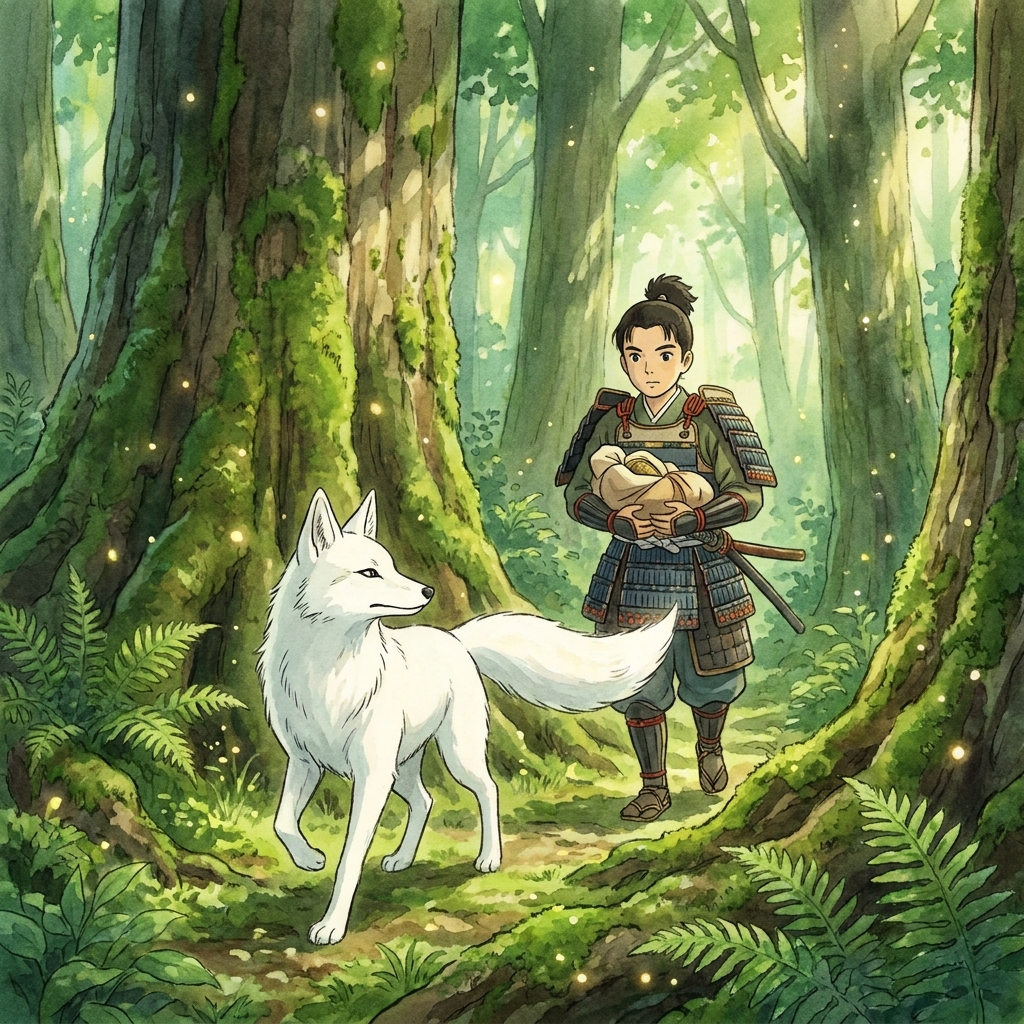
Nambu Town in Sannohe District, Aomori Prefecture, marks the historical origin of the prestigious Nambu clan, who once held sway over a vast area of northern Tohoku. The Nambu clan revered Nambu Suwa Jinja (Nanbu Suwa Jinja) above all others as their Soshin (guardian deity), making it the spiritual cornerstone of their family.
This jinja, nestled in the tranquil “Suwa no Mori” (Suwa Forest), embodies the fervent faith of the samurai and is steeped in mysterious legends that are still recounted today.
Basic Information
The location is 22 Kami-machi, Oaza-Ken’yoshi, Nambu Town, Sannohe District, Aomori Prefecture. The enshrined kami are Takeminakata-no-kami and Yasakatome-no-kami. The annual festival, known as the Ken’yoshi Suwa Jinja Reitaisai, takes place on the fourth Sunday of August. Its history dates back to 1189, when Nambu Mitsuyuki, the founder of the Nambu clan, was granted this land for his achievements in the Oshu Campaign led by Minamoto no Yoritomo. He then invited Suwa Daimyojin from his homeland, Kai Province (present-day Yamanashi Prefecture), to be enshrined here, marking the beginning of the jinja.
—
The Nambu Clan’s Origins: Why Suwa?
Nambu Mitsuyuki, the ancestor of the Nambu clan, was originally part of the Kai Genji clan, a lineage shared with the Takeda clan, famous for Takeda Shingen. For samurai of that era, Suwa Taisha in Shinshu was widely revered as a Gunshin, or war god, and enjoyed immense faith.
When Mitsuyuki journeyed down to Oshu, he prayed for his family’s enduring good fortune in battle and prosperity. Enshrining the Suwa kami in this new land was a clear demonstration of the Nambu clan’s resolve to make this place their “second home” and commit themselves fully to it.
Legends and Episodes: The Mystery of the Sacred Object Led by a White Fox
Nambu Suwa Jinja holds several intriguing legends surrounding its founding.
It is said that on Mitsuyuki’s journey from Kai to Oshu, a white fox appeared and led his procession. The white fox continued to run as if protecting the sacred object of Suwa Daimyojin that Mitsuyuki carried, finally disappearing upon reaching the present-day Nambu Town. Mitsuyuki, understanding this as “the will of the kami,” is said to have built the shrine building at that very spot.
There is also a local saying that “rain falls if you try to move this jinja.” An anecdote tells of an attempt to relocate the shrine building in the past. The sky, which had been clear, suddenly changed, and a violent thunderstorm struck, forcing them to abandon the relocation. This mysterious story illustrates how deeply the kami favors this site within “Suwa no Mori.”
A Mystery within the Grounds: The “Smiling Komainu”
A quiet topic of conversation among visitors is the komainu (guardian dog-lions) found within the shrine grounds.
While komainu at many shrines often have dignified or even fearsome expressions, some of the komainu at Nambu Suwa Jinja appear to be “grinning or smiling” depending on the angle from which they are viewed.
This “smiling komainu” adds a touch of humor and warmth, a surprising contrast to a shrine originating from the austere samurai era. When you visit, be sure to look for your own best angle to see the smile.
An Inside Story: The Enduring Bond Maintained by the Head of the Nambu Family
Nambu Suwa Jinja is more than just a regional ujigami, or tutelary kami. It is known for its exceptionally strong ties with the Nambu clan; even today, the head of the main Nambu family attends the annual festival and makes offerings at significant milestones.
As you observe the “Nambu family relics” and donated stone monuments within the grounds, you can truly feel the “family pride” that has continued for over 800 years.
Highlights for Your Visit
“Suwa no Mori,” which surrounds the jinja, is a power spot where centuries-old giant trees stand tall, and you can feel the air change the moment you step in. Especially during the autumn foliage season, the shrine grounds are painted in vibrant crimson, and the contrast with the majestic shrine buildings is breathtakingly beautiful.
For history buffs and shrine enthusiasts, this is a must-visit, representing the origin of samurai culture in northern Tohoku. Why not experience a moment of the same tranquility that ancient samurai dedicated their prayers to at Nambu Suwa Jinja?
Related Links and References
No sources available.