
 By ando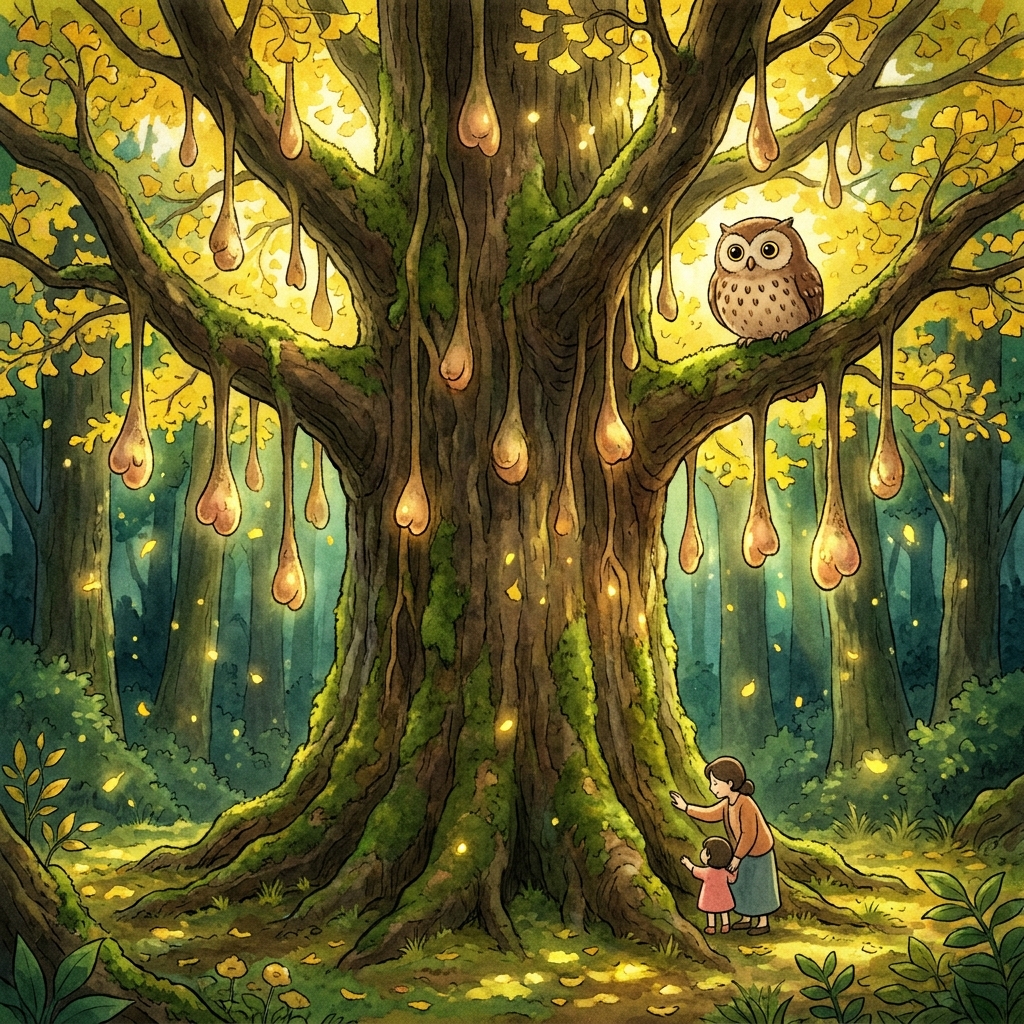
Nogi Jinja is located in Nogi Town, the southernmost town in Tochigi Prefecture. This ancient shrine, boasting a history of approximately 1600 years, envelops visitors in a serene atmosphere that makes them forget the hustle and bustle of city life as soon as they step inside. This time, we’ll delve into the untold stories, mysteries, and must-see pilgrimage spots for anime fans at Nogi Jinja, a place cherished by locals and constantly visited by worshippers from afar.
Basic Information about Nogi Jinja
Location: Nogi 2404, Nogi-machi, Shimotsuga-gun, Tochigi Prefecture.
Main kami (deity) enshrined: Kotoshironushi no Mikoto.
Benefits (blessings) sought: Prosperity in business, warding off evil, safe childbirth, child-rearing, traffic safety, and more.
It is said that Nogi Jinja’s origins trace back to the era of Emperor Nintoku, when the Shimotsuke no Kuninomiyatsuko (a provincial governor) invited Kotoshironushi no Mikoto (also known as Ebisu-sama) from Mt. Katsuragi in Nara to be enshrined here. There is also a legend that later, Sakanoue no Tamuramaro stopped here to pray for victory during his subjugation of the Emishi and rebuilt the shrine buildings, marking Nogi Jinja as a shrine of extremely high prestige.
Legend and Mystery: The “Milk Ginkgo” that Grants a Mother’s Wish
The most prominent presence within Nogi Jinja’s grounds is a colossal ginkgo tree, approximately 1200 years old and towering about 30 meters high. This tree is associated with a mysterious legend known as “Chichi no Icho,” or the “Milk Ginkgo.”
Legend has it that a long time ago, a mother who was struggling to produce breast milk prayed to this ginkgo tree and subsequently began lactating. To this day, it is revered as a guardian deity for safe childbirth and child-rearing. Numerous breast-like protrusions, called “kikon” (aerial roots), hang from the tree’s trunk, a sight that truly symbolizes vitality. Worshippers continuously visit to touch these kikon or offer prayers, hoping for fertility and healthy growth for their children.
Messenger of Fortune: The Arrival of Brown Hawk-Owls
Another significant feature of Nogi Jinja is that migratory “Aobazuku” (Brown Hawk-Owls, a type of owl) build their nests in the giant trees on the shrine grounds every year from May to July.
Since ancient times, owls have been considered auspicious birds, as their Japanese name, “fukuro,” can be phonetically linked to “fukurō” (meaning ‘no hardship’) and “fukurō” (meaning ‘growing old prosperously’). Nogi Jinja warmly observes these Aobazuku as they raise their chicks until they fledge, and during this period, the shrine grounds are bustling with many visitors carrying cameras. As a shrine where owls reside, charming owl designs are incorporated into the Juyohin (shrine offerings like amulets and Goshuin stamps), making them a hidden favorite.
Behind the Scenes of the Unusual “Nogi Fire Festival”
The “Nogi no Himatsuri” (Nogi Fire Festival), held annually on December 4th, is a very unusual Shinto ritual. It is said to reenact the return of a divine statue that was enshrined at the residence of the Koga Kubo (Ashikaga clan) to Nogi Jinja.
The sight of young men clashing intensely while holding giant torches beneath the cold sky is spectacular. However, behind this festival lies the deep reverence of local residents, aiming to “warmly welcome the kami.” It is believed that those who come into contact with this fire will enjoy good health and be free from illness for a year.
Pilgrimage Site: As a Setting for the Anime ‘Yowamushi Pedal’
For anime fans, Nogi Jinja is also a special place. Nogi Town appears as a course for the Inter-High School race in the popular cycling road race anime ‘Yowamushi Pedal.’
Specifically, in the anime’s third season, ‘Yowamushi Pedal NEW GENERATION,’ Nogi Jinja is located along the course for the first day of the Inter-High, set in Tochigi Prefecture, making it recognized as one of the “sacred sites” by fans. The area around the shrine is a spot where visitors can feel the roads where protagonist Sakamichi Onoda and his teammates fiercely competed, and many worshippers are seen visiting on road bikes.
To Conclude Your Visit
Nogi Jinja is a wondrous place where historical gravitas and the natural warmth of owls and ginkgo trees coexist. This place, embodying both the strength of a kami for competitions and the tenderness that watches over mothers and children, brings peace and serenity to the hearts of its visitors.
When you visit Tochigi, by all means, make your way to Nogi Jinja and perhaps listen for the hoot of an owl beneath the ginkgo tree that has marked 1200 years of time.
Related Links / References
No sources available.