
 By ando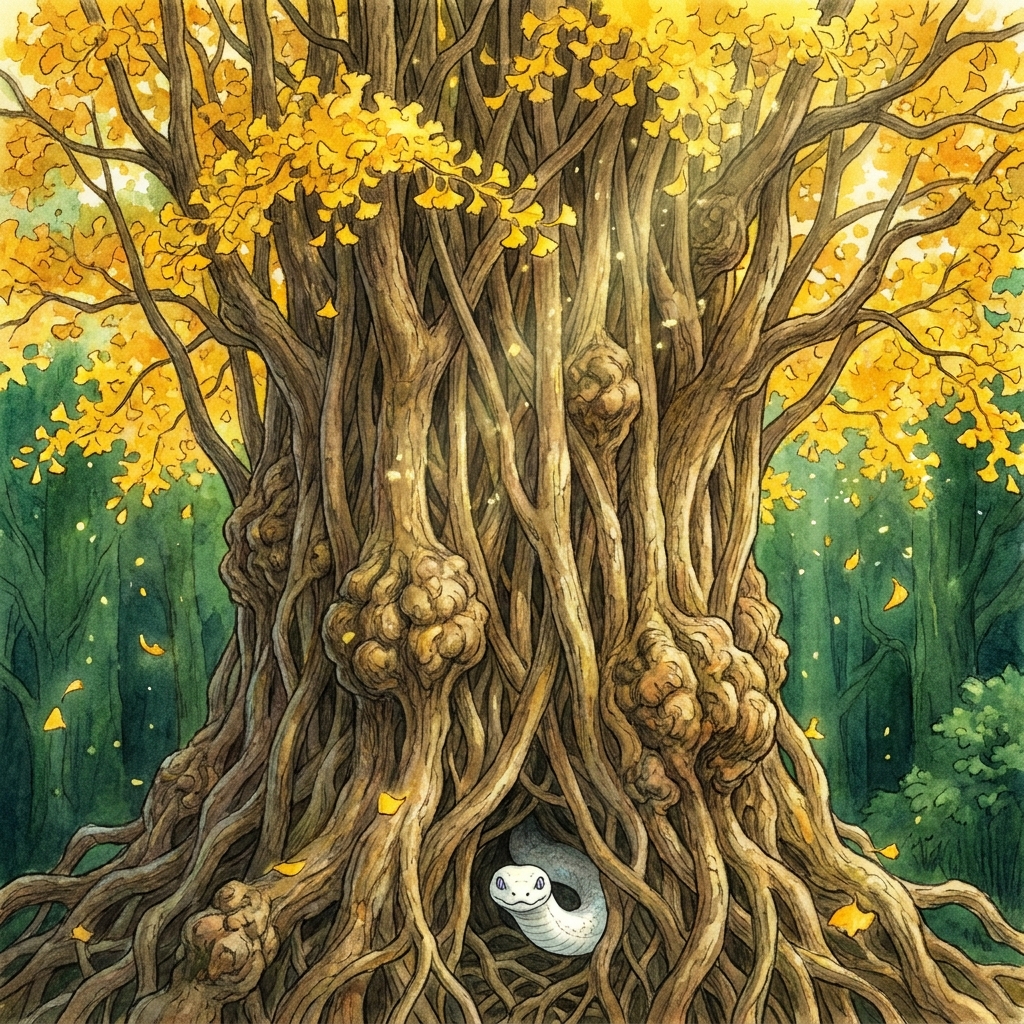
In Ichikawa City, Chiba Prefecture, not far from the rapidly redeveloping Motoyawata Station, lies a tranquil space that makes you forget the hustle and bustle of the city. This is Katsushika Hachiman-gu, known as the chief guardian jinja of Shimousa Province. This ancient jinja, with a history stretching back to the Heian period, holds a mysterious charm that attracts not only history buffs but also mystery enthusiasts and anime fans.
Basic Information
Location: Chiba Prefecture, Ichikawa City, Yawata 4-2-1
Enshrined Kami: Homenwake no Mikoto (Emperor Ojin), Okinagatarashihime no Mikoto (Empress Jingu), Tamayorihime no Mikoto
Founding: Kanpyo era (889-898 AD), consecrated from Iwashimizu Hachimangu in Kyoto by imperial decree of Emperor Uda.
1. The Intriguing Mystery of ‘Yawata no Yabushirazu’: Never Enter!
One cannot talk about Katsushika Hachiman-gu without mentioning ‘Yawata no Yabushirazu,’ located very close to the jinja (along National Route 14).
This is a forbidden zone, where it has been said since ancient times that “once you step inside, you will never come out again.” Although it is a small bamboo grove, only about 18 meters square, it is still surrounded by a fence, and entry is strictly prohibited.
Mysteries and Legends
The Legend of Mito Komon: The famous Tokugawa Mitsukuni (Mito Komon) is said to have entered the grove, scoffing, “What nonsense!” A white-haired old man then appeared, scolding him, “How dare you break the prohibition!” and he barely escaped with his life.
Various Theories on its Origin: Theories include it being the site of Yamato Takeru no Mikoto’s encampment, the burial ground of Taira no Masakado’s retainers, or even the former site of Katsushika Hachiman-gu. The true reason why one must not enter remains shrouded in mystery.
2. ‘Senbon Icho,’ the 1200-Year-Old Ginkgo Tree, Home to White Snakes
The sacred tree ‘Senbon Icho’ (Thousand-Branch Ginkgo), towering within the jinja grounds, is an overwhelming giant tree designated as a national natural monument.
Its appearance, with many trunks clustered together to look like a single massive tree, is a testament to its vitality. Its image was even depicted in the Edo period geography book ‘Edo Meisho Zue.’
Legends and Episodes
White Snake Sightings: It has been said since ancient times that white snakes live in this ginkgo tree, and those who see them are blessed with “happiness” and “wealth.”
Child-Rearing Belief: There was a tradition that scraping off the breast-shaped lumps (kobu) on the trunk and brewing them into a drink would improve lactation, attracting the faith of mothers since ancient times (Note: Due to protection efforts, scraping is no longer permitted).
3. The Kami of Victory Cherished by Samurai
Many worshipers pray at Katsushika Hachiman-gu, hoping for ‘Katsu shika (nai) Hachiman’ (meaning ‘nothing but victory Hachiman’) due to its name. This jinja has received deep reverence from generations of samurai warriors.
Taira no Masakado: There is a legend that he dedicated kagura (sacred music and dance) to pray for victory in battle.
Minamoto no Yoritomo: He undertook the renovation of the shrine hall, and the ‘Komadome no Ishi’ (Horse-stopping Stone), where he is said to have personally halted his horse, still remains within the grounds today.
Tokugawa Ieyasu: The Edo Shogunate also highly regarded the jinja, donating 52 koku of shuinchi (land with red seal).
4. Anime Pilgrimage Site: Featured in ‘My Youth Romantic Comedy Is Wrong, As I Expected’ (Oregairu)
Katsushika Hachiman-gu is also famous as a pilgrimage site for the popular anime, ‘My Youth Romantic Comedy Is Wrong, As I Expected’ (Oregairu).
Anime Pilgrimage Highlights
New Year’s Visit Scene: The jinja served as the model for the scene in Season 2 (Zoku), Episode 10, where the protagonists Hachiman Hikigaya, Yukino Yukinoshita, and Yui Yuigahama visit for their New Year’s prayers.
Name Origin: Fans often discuss whether the protagonist’s name, ‘Hachiman,’ is itself connected to this place name and jinja. Fans continuously photograph the Zuijin Gate and Main Hall, recreating the same compositions from the anime.
5. ‘Boroichi’: A Seasonal Tradition
During the annual Grand Festival (Reitaisai), held from September 15th to 20th each year, the ‘Boroichi’ (commonly known as the Farm Tool Market) takes place. It was once counted as one of the three major farm tool markets in the Kanto region, and even today, numerous stalls line the streets, bustling with local people.
Access
Approximately 10 minutes walk from Motoyawata Station on the JR Sobu Line and Toei Shinjuku Line.
Approximately 5 minutes walk from Keisei Yawata Station on the Keisei Line.
Despite being in the heart of the city, stepping into Katsushika Hachiman-gu brings you a thousand-year-old atmosphere coexisting with unsolved mysteries.
Why not embark on a mysterious stroll where you can shiver at the enigma of ‘Yabushirazu’ and be soothed by the golden hues of ‘Senbon Icho’?