 By ando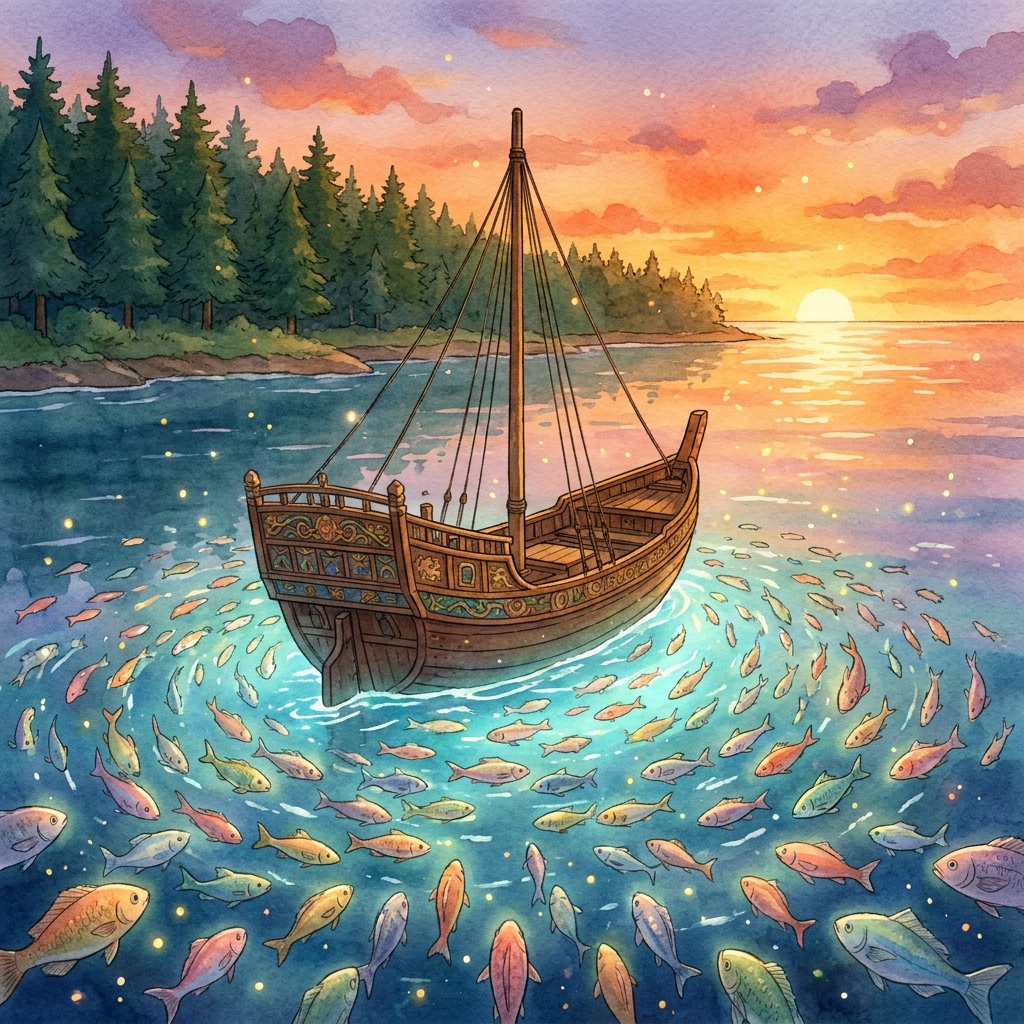
Sumiyoshi jinja, nestled in Uozumi-cho, Akashi City, Hyogo Prefecture. This scenic area, overlooking the Harima-nada Sea, is home to a beautiful landscape affectionately known since ancient times as “Sumiyoshi-san’s Pines,” and countless mysterious legends. This time, we delve into the profound history and surprising untold stories of this jinja, affectionately called “Uozumi no Sumiyoshi-san” by locals.
Basic Information
Location: 1031 Nakao, Uozumi-cho, Akashi City, Hyogo Prefecture.
Enshrined kami: Sokotsutsunoo-no-mikoto, Nakatsutsunoo-no-mikoto, Uwatsutsunoo-no-mikoto, and Okinagatarashihime-no-mikoto (Empress Jingu).
Main festivals: The Grand Annual Festival (Reitaisai) on the first Sunday of May, and the Hydrangea Festival (Ajisai Matsuri) from mid-June.
The Legend Behind the Name Uozumi
Why is this area called “Uozumi”? A mystical episode connected to Empress Jingu remains here.
According to legend, on her return from the Sankan Expedition, Empress Jingu was captivated by the beautiful pine grove here and sought a place to enshrine Sumiyoshi Okami. At that time, as the Empress’s ship approached this shore, it is said that the fish in the sea, struck by divine power, gathered around the ship and became still (literally, “fish settled”). It is believed that the place name “Uozumi” (魚住), meaning “fish settled” or “fish stopped,” originated from this event.
Japan’s Oldest Sumiyoshi? The Mystery of Moto-Sumiyoshi
While Sumiyoshi Taisha in Osaka is famous when one thinks of Sumiyoshi jinja, Akashi’s Sumiyoshi jinja actually holds the so-called “Moto-Sumiyoshi” (original Sumiyoshi) tradition, asserting “this is where Sumiyoshi worship began.”
According to shrine tradition, Empress Jingu first enshrined Sumiyoshi Okami here in Uozumi, and the kami was later transferred to Osaka. While the truth is lost in the mists of history, standing on the shrine grounds, you can surely feel the presence of a primitive and powerful kami of the sea, distinct from Osaka’s grandeur.
A Stage for The Tale of Genji: The Place Where Hikaru Genji Offered Prayers
For fans of classical literature, this is an unmissable sacred site. In “The Akashi Chapter” of The Tale of Genji, there is a scene where Hikaru Genji, having moved from Suma to Akashi, deeply devotes himself to Sumiyoshi Okami and offers prayers.
The episode where Sumiyoshi Okami appeared in Genji’s dream during a fierce storm and saved him is famous. The description in the work, where Genji expressed gratitude to the kami of Sumiyoshi and later built a magnificent shrine pavilion, tells us how deeply people of that time revered the Sumiyoshi jinja of this region.
Must-See Hidden Gems: The Ichino-Torii Leading to the Sea and the Noh Stage
A major feature of Sumiyoshi jinja is its approach path (sando) that extends straight from the shrine grounds towards the sea. In the past, an “ichino-torii” (first torii gate) stood in the sea, welcoming worshippers arriving by boat. Even today, the sunset over the Harima-nada Sea viewed through the torii standing along the coast is a breathtaking sight.
Furthermore, the Noh stage on the shrine grounds, built by Tadazane Ogasawara, the lord of Akashi Domain, boasts one of the most distinguished histories in Hyogo Prefecture. Even now, Noh performances are sometimes dedicated here, with the sea breeze as a backdrop, conveying the world of Yugen to the present day.
Traces of Anime Pilgrimage: The Connection to Fate/stay night
Akashi City is known as one of the models for the setting (Fuyuki City) of the hugely popular anime series Fate/stay night. While the Oda Family Nagayamon (a long gatehouse) that served as the model for protagonist Shirou Emiya’s home, and Akashi Park for the archery dojo are famous, this Sumiyoshi jinja is also cherished by fans as an important spot for “Akashi pilgrimage.”
Although the shrine building itself does not appear directly in the work, many fans visit this jinja to experience Akashi’s historic townscape and the atmosphere of the sea. In particular, the fact that this place holds the legend of Empress Jingu, a “fighting woman,” might resonate in some way with the world view of the series.
Key Points for Your Visit
It is also famous as the “Hydrangea Jinja,” with approximately 2,500 hydrangea bushes blooming in early summer. While listening to the sound of the tide, please take your time to stroll through this mysterious space where legends, literature, and modern pop culture intersect.
Related Links / References
No sources available.