
 By ando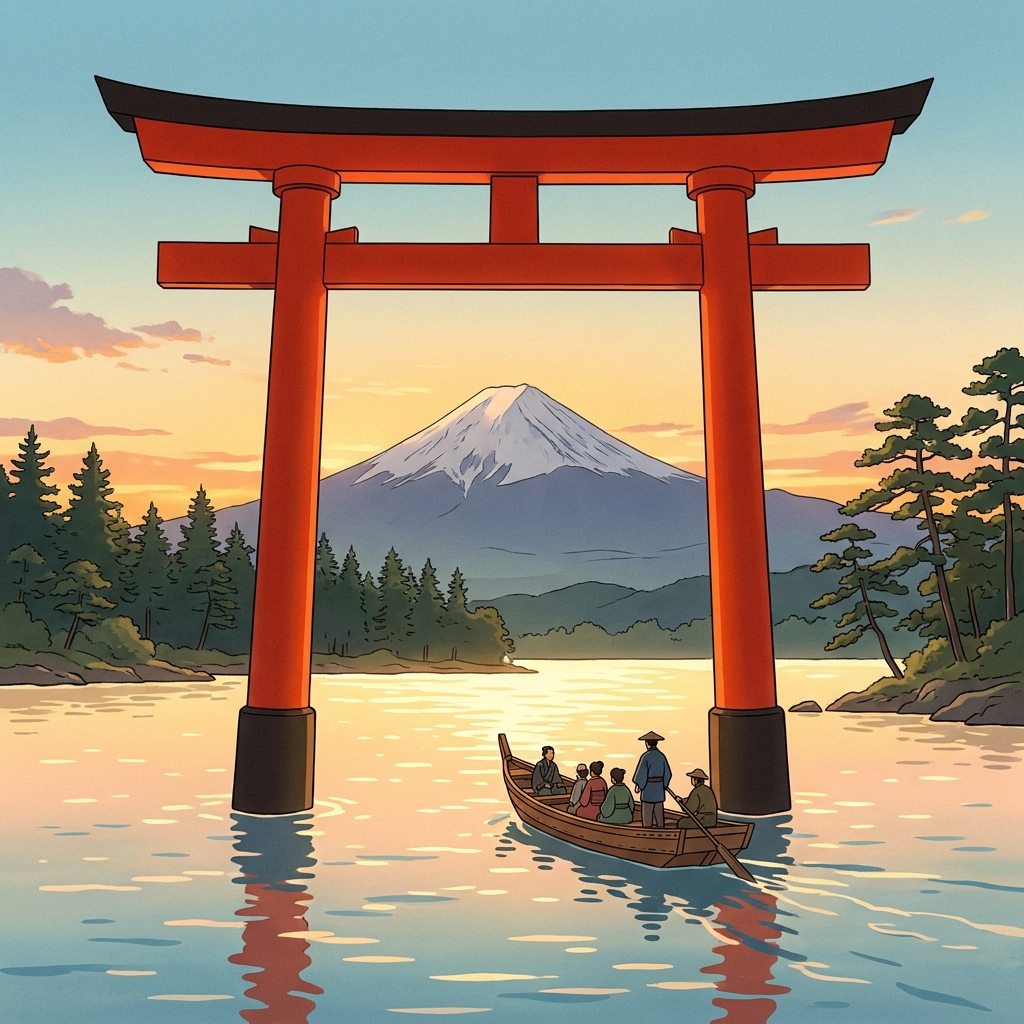
Basic Information
Name: Inage Sengen jinja
Location: 1-15-10 Inage, Inage-ku, Chiba-shi, Chiba Prefecture
Enshrined Kami: Konohanasakuya-hime no Mikoto, Ninigi no Mikoto, Sarutahiko no Mikoto
Founded: Daido 3 (808 CE)
Divine Blessings: Safe childbirth and child-rearing, protection from fire, warding off misfortune, traffic safety
History and Origin: 1200 years of history, prayed for by Minamoto no Yoritomo
Inage Sengen jinja is an ancient shrine said to have been founded in Daido 3 (808 CE), early in the Heian period, by inviting a bunrei (divided spirit) from Fujisan Hongu Sengen Taisha. During the Kamakura period, there are records that Minamoto no Yoritomo sent envoys to pray for lasting military fortune. The shrine also received deep reverence for generations from the powerful Chiba clan, who ruled the Chiba region.
The “Kuyomon” (Nine Luminaries crest), the family crest of the Chiba clan, can be seen throughout the shrine grounds, telling the story of how this place has long been revered by samurai warriors.
Episodes, Legends, Mysteries
1. Was there once a “torii in the sea”?
While Inage Sengen jinja currently stands on a hill along National Route 14, the sea once reached just beyond this road. Before land reclamation in the 1950s (Showa 30s), the first torii gate remarkably stood “in the sea.”
Worshippers are said to have boarded boats to pass through the offshore torii, then disembarked and ascended the sando (approach path). Today, a solitary red torii standing across National Route 14 is a valuable remnant indicating that the sea once extended to that very spot.
2. The shrine grounds themselves model Mount Fuji
When the main shrine building (shaden) was rebuilt in 1187, the shrine grounds were mounded to resemble Mount Fuji, and three sando paths were established, mimicking the climbing trails of Mount Fuji. Furthermore, the shaden was constructed to face “the real Mount Fuji” directly across Tokyo Bay.
On clear days, you can gaze upon the beautiful Mount Fuji beyond the pine grove, which retains traces of the former coastline. It truly was one of the “holiest sites of Fuji worship closest to Edo.”
3. The “unexplained fire” of 1964
Although this jinja boasts over 1200 years of history, its current shaden was rebuilt in Showa 41 (1966). In September Showa 39 (1964), the valuable old shaden, which had stood since the Bunji era (Kamakura period), was completely destroyed by a fire of unknown cause.
The truth behind this fire remains a mystery, but thanks to the fervent dedication of the ujiko (parishioners) and local residents, it was rebuilt in just two years, restoring its present magnificent appearance.
Anime Pilgrimage Information: As a setting for ‘Oregairu’
Inage Sengen jinja is known as an important anime pilgrimage site for the popular anime “My Youth Romantic Comedy Is Wrong, As I Expected” (Oregairu).
Featured Scenes: It served as the model for scenes in Season 2 (Zoku), Episode 10 and others, where protagonists Hachiman Hikigaya, Yukino Yukinoshita, Yui Yuigahama, and Komachi visit for hatsumode (first shrine visit of the New Year).
Notable Spots: The anime faithfully depicts the sando leading from Keisei Inage Station to the jinja, the red bridge within the grounds, and the haiden (hall of worship). Especially during hatsumode season, many fans visit, seeking to experience the same scenery as in the anime.
Festivals and Highlights
The annual Reitaisai (Sengen Matsuri) held on July 14th and 15th is one of the biggest and most bustling festivals in Chiba City. As a jinja dedicated to safe childbirth and child-rearing, the “Chigo Gyoretsu” (Children’s Procession), where children aged 1 to 7 parade in chigo (child attendant) costumes, is a heartwarming sight unique to this shrine.
Additionally, the “Inage Pine Grove” within the shrine grounds is designated as a natural monument of Chiba City, preserving the memory of the once picturesque coastline. It is a representative “power spot” in Chiba, highly recommended for history buffs, anime fans, and anyone seeking a moment of tranquility.