
 By ando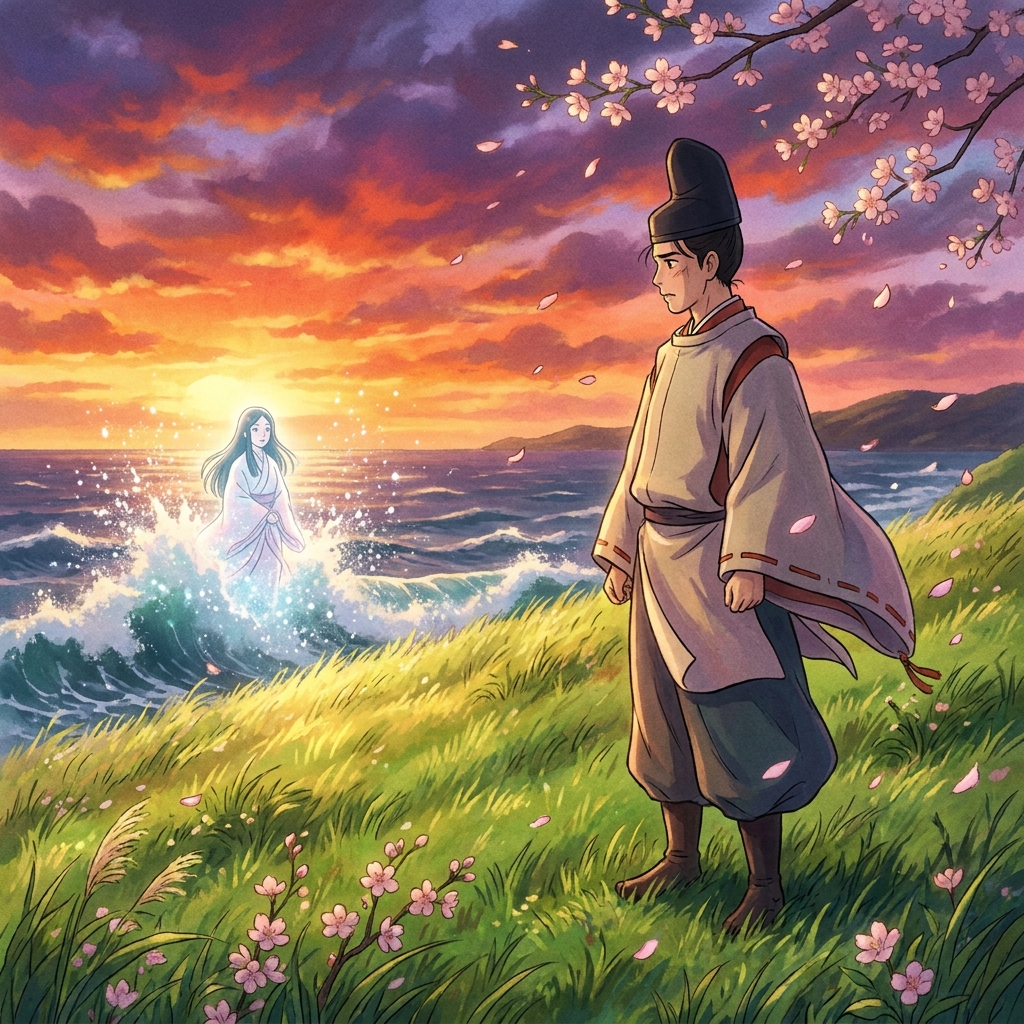
Basic Information
Name: Tsumagoi Jinja
Location: 3-2-6 Yushima, Bunkyo-ku, Tokyo
Enshrined kami: Yamato Takeru-no-mikoto, Ototachibana Hime-no-mikoto, Uka-no-mitama-no-mikoto
Access: Approximately a 5-minute walk from Yushima Station on the Tokyo Metro Chiyoda Line; approximately a 10-minute walk from Ochanomizu Station or Akihabara Station on the JR Line
The Place of Japan’s Oldest Tragic Love Legend: “Azuma Haya”
The biggest highlight of Tsumagoi Jinja is the poignant yet beautiful legend of love enshrined in its name.
Long ago, during his eastern expedition, Yamato Takeru-no-mikoto encountered a storm in the sea of Hashirimizu (present-day Uraga Channel). To appease the furious sea kami, his consort Ototachibana Hime-no-mikoto is said to have thrown herself into the raging waves, declaring, “I shall enter the sea as a sacrifice,” thereby calming the sea.
Later, when Yamato Takeru-no-mikoto stayed in this Yushima area, he grieved for his deceased wife, lamenting, “Azuma haya (My wife, I miss you).” It is said that the villagers, admiring his deep love, enshrined both kami, marking the beginning of the jinja. This is truly the site associated with “Japan’s oldest love story,” and it is now visited by many worshippers as a power spot for matchmaking and good relationships.
The Mysterious “Yumemakura” Custom That Enthralled Edoites
This jinja has a unique “behind-the-scenes story” not found at other shrines. It is the custom of “Yumemakura” (dream pillow) that was very popular during the Edo period.
On the night of the second day of the New Year, there was a custom of sleeping with a “treasure ship picture carrying the Seven Lucky Gods” under one’s pillow to ensure a good first dream of the year. Tsumagoi Jinja was the one that distributed these pictures.
According to records from that time, the area in front of the gate was packed with crowds seeking these treasure ship pictures, and it is said that the congestion became so severe that the shogunate had to impose regulations. This tradition continues to this day, with special “treasure ship pictures” being distributed every New Year. These pictures bear a palindrome (a phrase that reads the same forwards and backwards): “Nakakiyo no toono nefuri no minamesame naminori fune no oto no yokikana,” which is believed to possess a mysterious power to turn bad dreams into good ones.
A Respected Shrine Listed in the “Kanto Inari Ranking”
Tsumagoi Jinja is also a highly prestigious Inari shrine, having once been ranked as a special class (Gyoji-yaku, or umpire) in the “Kanto Inari Ranking.”
Within the precincts, there lingers a trace of how this area was once deeply revered by the people of Edo’s 808 towns as “Tsumagoi Inari.” Despite being amidst the hustle and bustle of the city, a step inside reveals a tranquil atmosphere, and people constantly visit to pray for business prosperity and family safety.
Pilgrimage Site: Featured in the Anime “Love Live!”
Tsumagoi Jinja is also known as a pilgrimage site for the popular anime “Love Live!”
Located close to Kanda Myojin, the setting of the story, the charming slopes and alleys around this jinja appear in the anime as the backdrop for scenes where members run up stairs for training or stroll around Akihabara.
In particular, it has become a spot where fans quietly visit for worship, offering a “hidden sanctuary-like tranquility” in contrast to the liveliness of Kanda Myojin. It is also an important piece of the “pilgrimage course” that combines visits to the nearby Yushima Seido and Kanda Myojin, allowing visitors to experience both the anime’s world and historical ambiance simultaneously.
A Lesser-Known “Behind-the-Scenes Story”: The Reconstruction of the Shrine Building and People’s Sentiments
The current shrine building was reconstructed in the Showa era. Even when it was destroyed by war, the local people made great efforts to protect it, believing “we must not let the kami who thinks of his wife perish.”
While it lacks elaborate decorations, the meticulous care evident in every corner of the precincts is proof that it is still deeply cherished by the community as a “kami of love.” When you visit, be sure to pay attention to the old stone monuments next to the shrine building and the stone steps that retain the vestiges of Edo. There, the unchanging “heart that thinks of someone” has been etched for centuries.
Related Links / References
No sources available.