
 By ando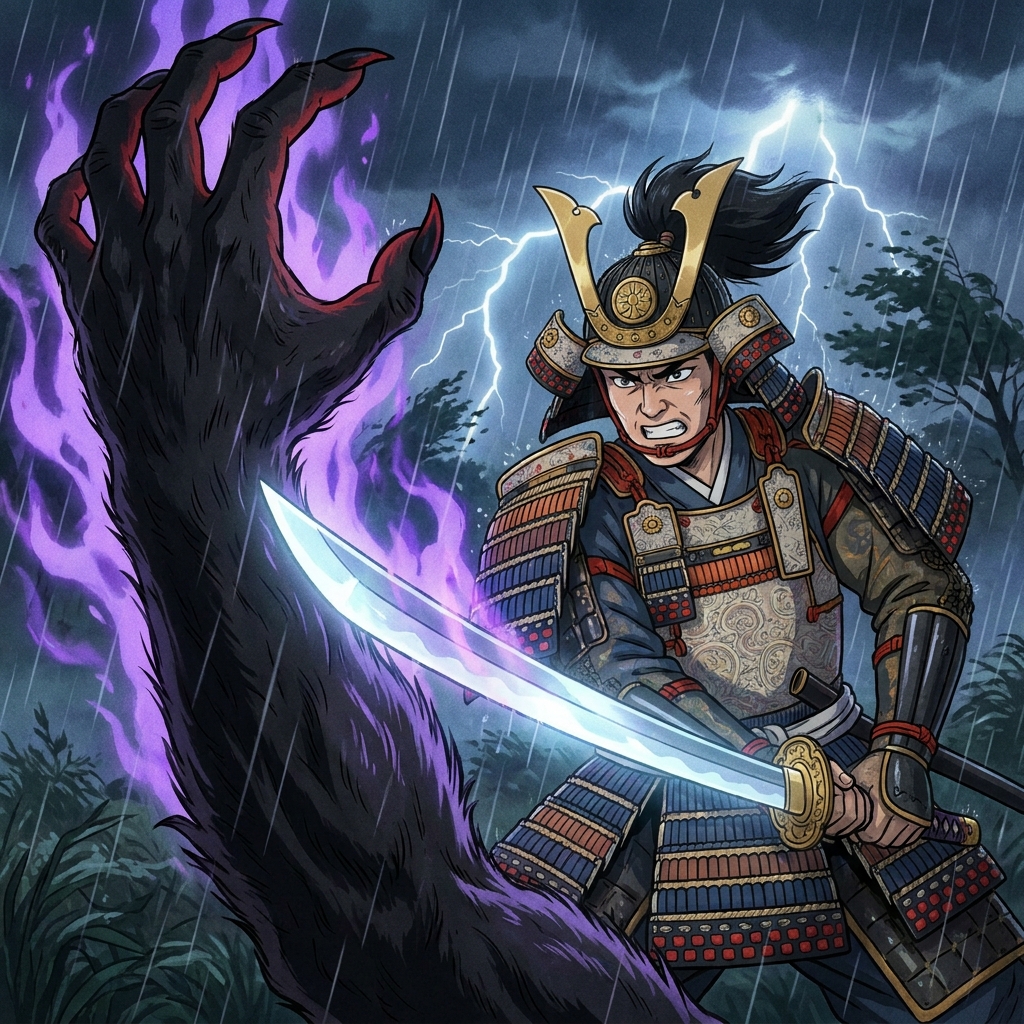
Basic Information
Name: Ikasuri-jinja Shrine (official name); commonly known as Zama-jinja Shrine
Location: 3 Watanabe, Kyutaro-machi 4-chome, Chuo-ku, Osaka City, Osaka Prefecture
Enshrined Kami: Ikasuri-no-Okami (a collective term for five kami: Ikuinokami, Fukuinokami, Tsunagai-no-kami, Hahiki-no-kami, and Asuha-no-kami)
Access: 3-minute walk from Honmachi Station (Osaka Metro Midosuji Line, Chuo Line, Yotsubashi Line), Exits 15 or 21
Why is ‘Ikasuri’ called ‘Zama’? The Mystery of the Hard-to-Read Shrine Name
Ikasuri-jinja Shrine (also known as Zama-jinja Shrine) quietly stands in Honmachi, Osaka’s business district. While its official name is ‘Ikasuri-jinja’, locals have affectionately called it ‘Zama-san’ for generations. The word ‘ikasuri’ is said to originate from ‘idokoro wo kasuri (mamoru)’, meaning ‘to protect one’s residence’.
So, why did it come to be called ‘Zama’? According to one theory, this area was once near the mouth of the Yodo River, and the land was a ‘za’ (seat) at the ‘ma’ (edge/end). Another theory suggests that ‘ikasuri’ phonetically shifted to ‘zama’. There are various theories. Even its name, in the middle of a bustling city, hints at a historical mystery.
The Sacred Site for all ‘Watanabe-san’s nationwide! The Roots of Tsuna Watanabe, the Demon-Slaying Hero
If you look closely at Ikasuri-jinja Shrine’s address, it includes ‘Watanabe’ in Kyutaro-machi 4-chome, Chuo-ku, Osaka City. In fact, this is the birthplace of the ‘Watanabe’ (also spelled ‘Watabe’) surname, which is widespread across Japan.
During the Heian period, Minamoto no Tsuna, who descended from the Saga Genji clan, lived in the former location of this shrine (near present-day Tenmabashi at Watanabe-tsu) and adopted the name ‘Watanabe no Tsuna’. This is said to be the origin. Watanabe no Tsuna is famous as the strongest warrior among Minamoto no Raiko’s Four Guardian Kings, known for the legend of severing a demon’s arm at Rashomon Gate in Kyoto.
Even today, people with the Watanabe surname from all over the country visit the shrine as if returning to their ancestral home. By the way, there’s a legend that when Watanabe no Tsuna defeated the demon, the demon became afraid of the name ‘Watanabe’. Because of this, some regions still observe the custom that households with the Watanabe surname do not perform ‘mamemaki’ (bean-scattering to ward off evil spirits) on Setsubun, as demons supposedly won’t approach them.
The Mystical ‘Mitsutorii’ (Mitsuwa Torii), a Rare Sight Nationwide
Greeting worshippers at the shrine entrance is the extremely rare ‘Mitsutorii’ (Three-Gate Torii). This unique form consists of a large central torii flanked by two smaller torii.
While famous examples include Omiwa-jinja Shrine in Nara, considered one of Japan’s oldest shrines, it is exceedingly rare to see this style within Osaka City. Simply passing through this torii will give you the sensation of stepping into a special sacred boundary, a feeling that will make you straighten your posture.
The White Heron’s Guidance and the Story Behind ‘Toki-jinja Shrine’
Ikasuri-jinja Shrine was originally located near present-day Tenmabashi, but was relocated to its current site during Toyotomi Hideyoshi’s construction of Osaka Castle. At that time, while they were uncertain where to build the shrine, a white heron flew down and perched on a pine tree that stood on the current grounds. This led them to designate that spot as the sacred area, a legend known as the ‘White Heron Legend’.
Additionally, within the shrine grounds is a subsidiary shrine, Hiyoke Toki-jinja Shrine, which preserves the memory of the time when pottery wholesalers gathered in this area. Every July, the ‘Osaka Setomono Festival’ is held here, featuring giant dolls made of pottery and showcasing the vibrant, merchant-city spirit typical of Osaka.
The Birthplace of Kamigata Rakugo Theaters (Yose)
In fact, Ikasuri-jinja Shrine has deep ties with Kamigata Rakugo (traditional comic storytelling from the Kyoto-Osaka region). It is said that the first ‘yose’ (rakugo theater) was held on the shrine grounds during the Edo period, and a stone monument commemorating it as the ‘Birthplace of Kamigata Rakugo Yose’ stands within the precincts. It’s an interesting anecdote that the roots of Osaka, the ‘hall of laughter’, can be found in this solemn shrine.
Pilgrimage Information: Watanabe no Tsuna, a Must-See for Anime and Game Fans
Ikasuri-jinja Shrine has become a quiet ‘sacred site’ among fans as a place associated with ‘Watanabe no Tsuna’, who appears in popular smartphone game ‘Fate/Grand Order (FGO)’ and the animated ‘Onmyoji’ series.
Especially since Watanabe no Tsuna was introduced in ‘FGO’, an increasing number of young people visit the shrine for ‘seichi junrei’ (pilgrimage to sacred sites), tracing the character’s origins. Considering that the origin of his strength, wielding the demon-slaying sword ‘Higekiri’, lies in this Osaka location, it’s an irresistible spot for fans.
Amidst the urban bustle, Ikasuri-jinja Shrine, where legends of the Heian period and samurai pride live on, offers a different world the moment you step inside. Whether you’re a Watanabe or not, why not visit and explore the mysteries of history?
Related Links and References
No sources available.