
 By ando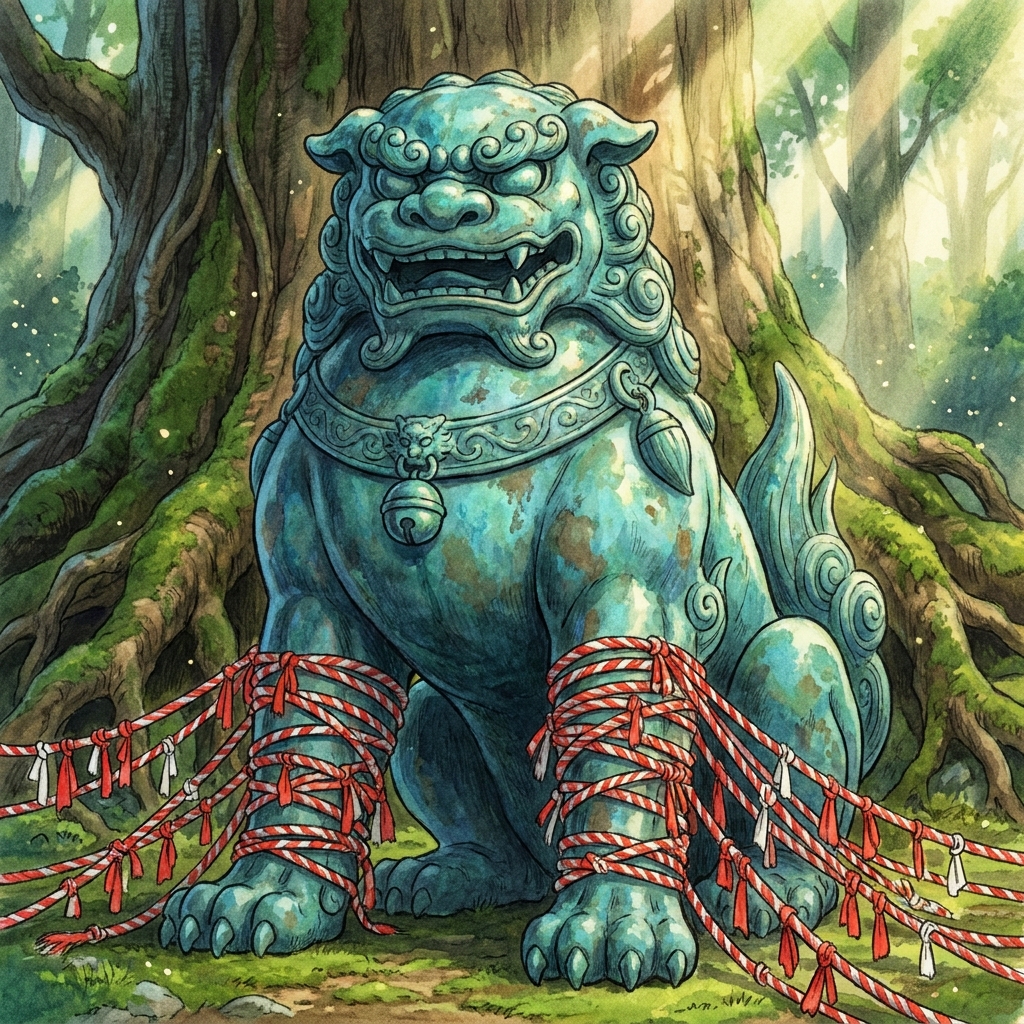
Basic Information
Location: 2-1-67 Hirano-miyamachi, Hirano-ku, Osaka-shi, Osaka
Enshrined Kami: First Honden: Susanoo-no-Mikoto (Gozu Tenno), Second Honden: Izanami-no-Mikoto, Hayatamao-no-Mikoto, Kotoshikao-no-Mikoto, Third Honden: Izanagi-no-Mikoto
Access: Approximately 5 minutes walk from Hirano Station on the JR Yamatoji Line
History and Architectural Grandeur
Kumata Jinja was founded in Jogan 4 (862) during the Heian period by Sakanoue no Masamichi, grandson of the famous Seii Taishogun, Sakanoue no Tamuramaro.
What is particularly noteworthy are the three honden (main halls) lined up in a row. All of these are designated as National Important Cultural Properties. The Second and Third Honden, in particular, date back to the Muromachi period and are incredibly valuable as some of the oldest wooden structures in Osaka City. Furthermore, the shrine grounds feature the only existing “Rengasho” (linked-verse poetry hall) in Japan, making it a precious spot that conveys medieval culture to the present day.
The Mystery of the “Important Cultural Property Rejection” Caused by Danjiri Love
Standing majestically at the entrance to the shrine grounds is the grand “Omon” (Great Gate). Despite its high historical value, having been built in the Kamakura period, it is actually not designated as a National Important Cultural Property.
The reason lies in the Hirano locals’ fervent “danjiri love.” In the past, when the giant danjiri (festival floats) passed through the gate, they were too tall, and their roofs would collide with the gate. Normally, one might make the danjiri smaller or change the route, but the locals decided, “Let’s just make the gate taller!” They stacked stones under the gate’s pillars, raising its height by approximately 60 cm.
This audacious modification led to the judgment that the gate was “no longer in its original form,” and thus, its designation as an Important Cultural Property was rejected. This surprising episode, where a festival was prioritized over a cultural property, is a rare occurrence nationwide.
Does it stop runaways and lovers? The “Foot-Stopping Komainu”
In front of the haiden (worship hall), you’ll find bronze komainu (guardian lion-dogs) with many strings tied around their feet. These are known as “Ashidome Komainu” (Foot-Stopping Komainu), and from ancient times, people have made wishes for “runaways (hashiribito) to return home.”
It is said that if you tie one end of a string to the komainu’s foot and the other end to the runaway’s footwear, you will either discover their whereabouts or they will surely return home. Nowadays, this blessing has evolved, with an increasing number of worshippers making wishes for “customers not to stay away (for business prosperity)” or “for lovers’ hearts to remain connected.”
“Fuku no Tane”: A Gold Luck Charm with a Thousandfold Blessing
The most famous bestowed item (juyohin) at Kumata Jinja is the “Fuku no Tane” (Seed of Fortune). Its origin lies in a legend from ancient times: during an epidemic, unhulled rice (momi) bestowed by the kami was planted in the fields, which subsequently quelled the disease and led to a bountiful harvest.
Today, it is bestowed as an omamori (amulet) containing a single grain of unhulled rice in a small pouch. It is said that keeping this in your wallet brings financial good luck with the “Ichiryu Manbai” (one grain, ten thousandfold) blessing. It’s worth checking, as it is sometimes distributed for free depending on your timing of visit.
Anime Pilgrimage Information: “The Ryuo’s Work is Never Done!”
Kumata Jinja is also known as a pilgrimage site for the popular shogi-themed anime, “The Ryuo’s Work is Never Done!” Hirano-ku, Osaka, is the model for the town where the protagonist, Yaichi Kuzuryu, lives, and the precincts of Kumata Jinja and the surrounding old townscapes appear in the series. Among fans, it has become a “sacred pilgrimage” spot where people visit to pray for improvement in shogi and good luck in competitions, invoking Susanoo-no-Mikoto, who is also known as a kami of competitive pursuits.