 By ando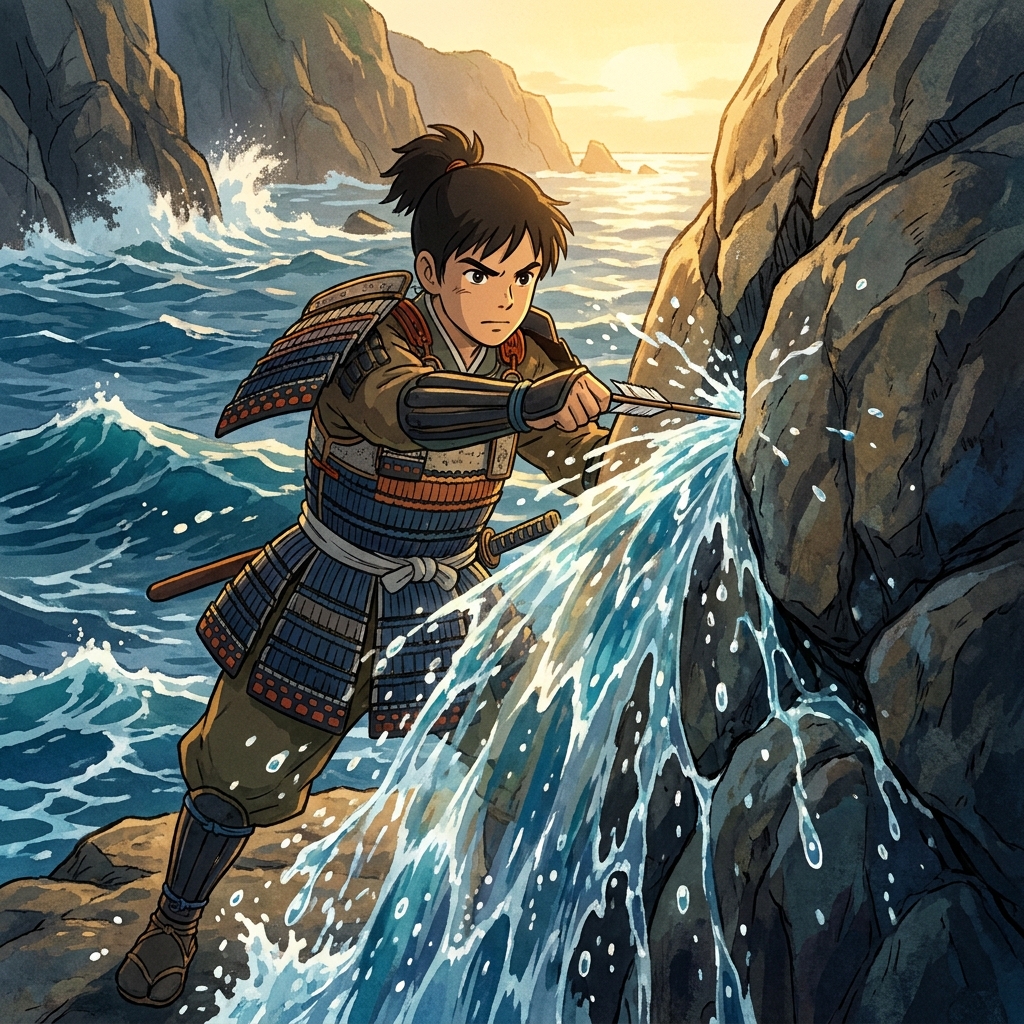
Susaki Jinja, located at the western tip of Tateyama City, Chiba Prefecture, quietly watches over the entrance to Tokyo Bay. This is more than just a scenic spot; it is a place brimming with a powerful energy of resilience and new beginnings, where people who have overcome historical trials have offered their prayers.
Basic Information
Location: 1344 Susaki, Tateyama City, Chiba Prefecture
Enshrined Kami: Amenohirinome-no-Mikoto
Divine Blessings: Maritime safety, safe childbirth, abundant fishing hauls, bountiful harvests, and protection for resilience and triumphant returns.
148 Steps of Trial: Yakuyoke-zaka
After passing through the torii gate, you’ll be greeted by 148 steep stone steps, commonly known as “Yakuyoke-zaka” (yakuyoke-zaka). Legend says that by climbing each step, impurities of mind and body are purified. Once you reach the top and look back, the stunning blue waters of Kagamigaura (Tateyama Bay) will spread before you, a breathtaking sight.
The Hamatorii that Frames Mount Fuji and the Mystery of the Sea
The biggest highlight of Susaki Jinja is the “Hamatorii” (First Torii), which stands along the coast a short distance from the main shrine grounds.
Spectacular View of Mount Fuji: On clear days, you can witness the mystical sight of Mount Fuji perfectly framed in the center of the torii. Especially at dusk, it’s a miraculous photo spot where you might even see Diamond Fuji (the sun setting or rising at the peak of Mount Fuji).
The “A-Un” Bond with the Opposite Shore: Near the Hamatorii is a giant rock called “Goshin-seki” (Sacred Rock). Legend says that En no Ozunu, the founder of Shugendo, placed it there to ward off maritime disasters. A grand tale remains that this stone forms an “A-Un” pair (representing the beginning and end, like the open and closed mouths of guardian statues) with a stone at Awaguchi Jinja on the opposite Miura Peninsula (Yokosuka City), creating a magnificent spiritual barrier across Tokyo Bay.
The “Land of Comebacks” Where Minamoto no Yoritomo Clung to Life
Susaki Jinja is known to history enthusiasts as a “sacred ground of resilience.”
In 1180, after a crushing defeat at the Battle of Ishibashiyama, Minamoto no Yoritomo barely escaped with his life to the land of Awa. He visited Susaki Jinja and earnestly prayed for the revival of the Minamoto clan. A legend also remains about the “Yajiri-no-Ido” (Arrowhead Well): when he struck a nearby rock with an arrowhead, drinking water gushed out.
Afterwards, Yoritomo brilliantly rebuilt his forces and established the Kamakura Shogunate. Because of this episode, people who have “failed once but want to try again” still visit today to receive the power for a triumphant return.
Untold Story: A Guardian Kami of Edo
When Ota Dokan, a warlord of the Muromachi period, built Edo Castle, he invited a divided spirit (bunrei) from Susaki Jinja to serve as a guardian for the castle. This is said to be one of the roots of the current Yakumo Jinja, an auxiliary shrine of Kanda Myojin. The fact that a shrine on a small cape in Boso is actually deeply involved in the protection of Edo and Tokyo is an interesting, little-known backstory.
Anime Pilgrimage Information
Tateyama City has been the setting for many anime works, and the area around Susaki Jinja is also a cherished sacred site for fans.
Warlords of Sigrdrifa: In this work, set at Tateyama Base, landscapes around Susaki Lighthouse and the shrine are faithfully depicted.
Trapezium: In the anime film based on the original work by Kazumi Takayama, the beautiful scenery within Tateyama City served as models, and fans continuously visit the Susaki area as part of their pilgrimage route.
While being caressed by the sea breeze of Boso, Susaki Jinja is a place where ancient legends and the modern world of anime intersect. When you want to take a new step in life, the kami of this cape will surely give you a push.
Related Links / References