
 By ando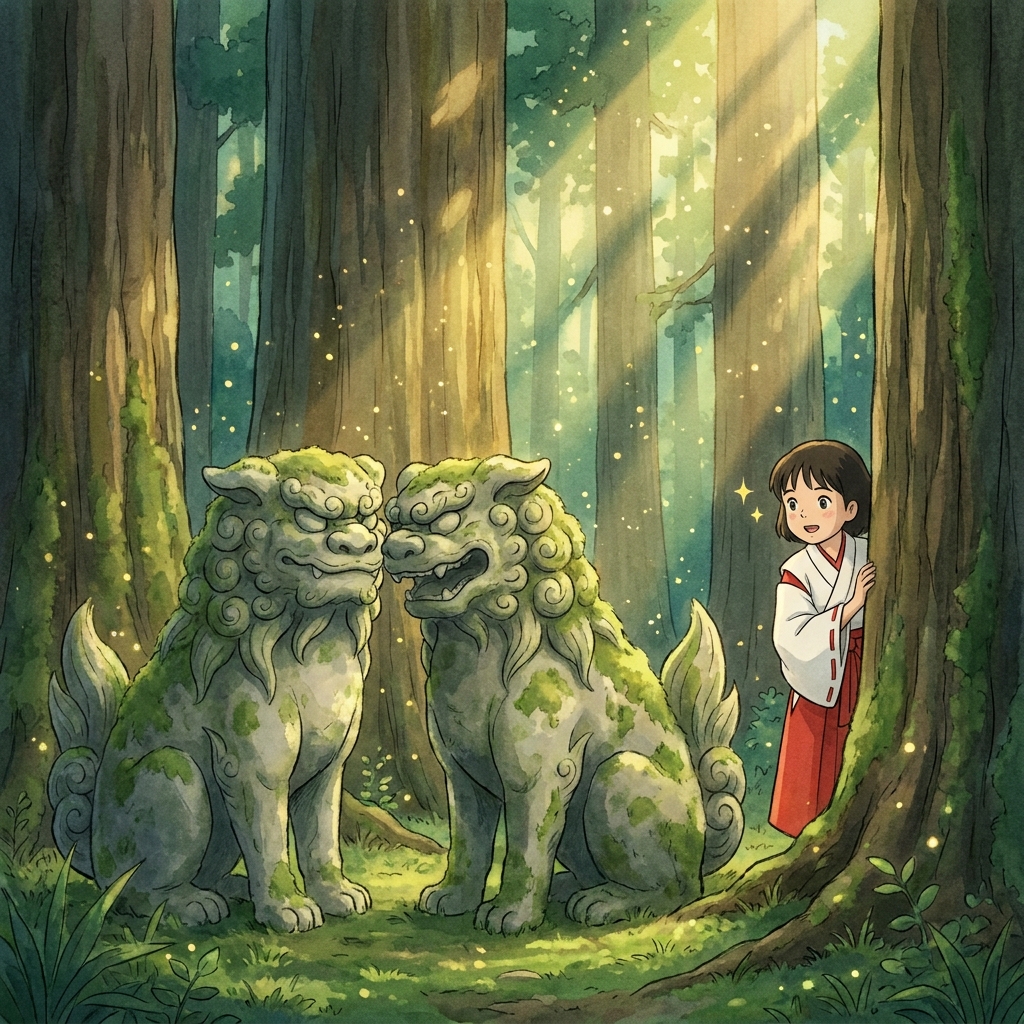
Basic Information
Location: 1-4-23 Motoazabu, Minato-ku, Tokyo
Enshrined kami: Susanoo-no-mikoto, Yamato Takeru-no-mikoto
Founding: Tenkei 1 (938)
Access: Approximately a 10-minute walk from Azabu-Juban Station (Tokyo Metro Namboku Line / Toei Oedo Line)
Legend of the “Ipponmatsu” (Single Pine Tree) Founded by a Genji Hero
The history of Azabu Hikawa jinja dates back to the Heian period. It is said to have begun when Minamoto no Tsunemoto, ancestor of the Seiwa Genji clan, established the shrine building at the present-day “Azabu Ipponmatsu” (Single Pine Tree) site during his eastern expedition to suppress Taira no Masakado’s rebellion.
The “Ipponmatsu,” once the sacred tree of the shrine, has legends associated with it, such as Minamoto no Tsunemoto tethering his horse there. During the Edo period, it was known as the “Kanmuri no Matsu” (Crown Pine) because its shape resembled a crown. Although the jinja was relocated to its current site in Manji 2 (1659), it remains a historical witness, continuing to watch over the town of Azabu.
The Tokugawa Shogunate and a Hidden Story of “Safe Childbirth Prayers”
During the Edo period, this jinja received exceptional reverence from the Tokugawa shogunate family. Particularly famous is its connection with Oeyo (Sugenin), the official wife of the second shogun, Tokugawa Hidetada. It is said that Oeyo prayed for a safe childbirth at this shrine, and subsequently, the third shogun, Tokugawa Iemitsu, was born without complications.
Furthermore, the fifth shogun, Tsunayoshi, and his birth mother, Keishoin, frequently visited for worship. The shogunate highly regarded it as the foremost among the “Edo Seven Hikawa,” which were believed to ward off disasters from Edo Castle.
As a Holy Site for the Anime ‘Sailor Moon’
When discussing Azabu Hikawa jinja, its deep connection with the globally popular anime ‘Sailor Moon’ is indispensable.
This Azabu Hikawa jinja is indeed the model for the “Hikawa jinja” where Sailor Mars, Rei Hino, serves as a miko (shrine maiden) in the series. Since the author, Naoko Takeuchi, lived in this vicinity at the time, the shrine’s red main hall and the atmosphere of its grounds were faithfully depicted.
Even now, many fans from Japan and abroad visit for “seichi junrei” (pilgrimages to holy sites), and numerous ema (votive tablets) depicting Sailor Moon characters are offered within the grounds. It has become a fascinating space where anime and traditional shrine culture converge.
Mystery & Highlight: Komainu Whispering?
In front of the main hall within the grounds, there are some unusual komainu (guardian lion-dogs). While typical komainu face forward in a menacing stance, the komainu here are positioned facing each other, as if “whispering” to one another. This unique arrangement has made them a quietly popular spot.
Because of their amicable appearance, it is rumored in recent years that they bring good fortune for “enmusubi” (matchmaking), attracting a constant stream of couples and visitors seeking good relationships.
Takao Inari: A Tragic Love Story of the Sendai Domain
Within the grounds, there is a sub-shrine called “Takao Inari jinja,” which hides a poignant history. It was once enshrined within the lower residence of the Sendai Domain, and there is a theory that it was built to console the spirit of Takao Dayu, a legendary courtesan who, despite being beloved by Lord Date Tsunamune, met a tragic end. It is a spot that evokes the mysteries of Edo, nestled behind the glamour of Azabu.
Beautiful Goshuin with Monthly Designs
Azabu Hikawa jinja is also known for its artistic goshuin (red seal stamps). The monthly designs, adorned with seasonal flowers and events, are exceptionally beautiful, attracting many fans who visit every month specifically for them. Despite being in the heart of the city, it is a shrine where one can truly experience the changing seasons, rightfully earning it the title of an “urban oasis.”
Related Links / References