
 By ando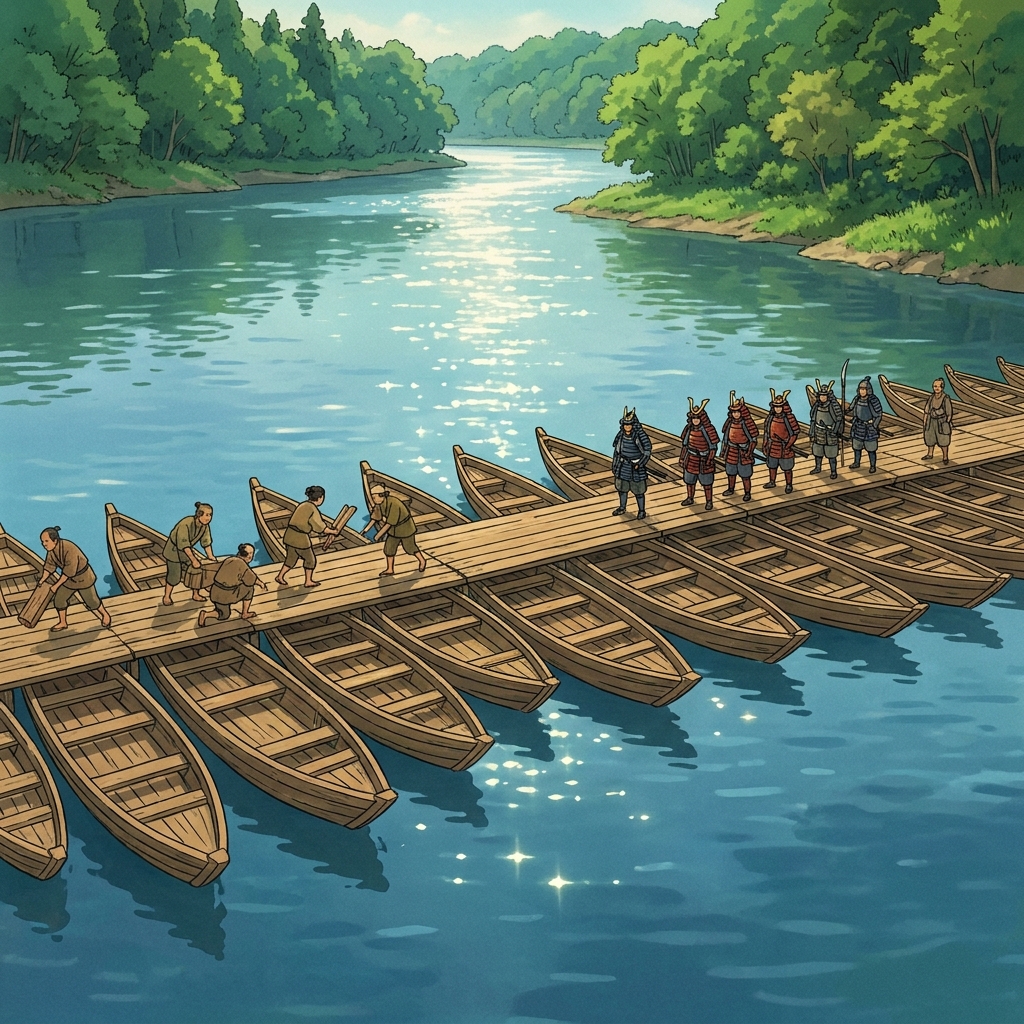
Funabashi Daijingu, a jinja shrine located in Funabashi City, Chiba Prefecture. While affectionately known by this name locally, its official name is Oohi Jinja. This ancient jinja boasts a history of over 1900 years and was once revered as ‘Togoku Ichinomiya’ (the premier shrine of the eastern provinces). Within its grounds lie numerous intriguing episodes and mysteries that you won’t find in textbooks.
Basic Information
Official Name: Oohi Jinja
Main kami enshrined: Amaterasu Sumera Omikami
Founding: Said to be in the 40th year of Emperor Keiko’s reign (110 CE)
Location: 5-2-1 Miyamoto, Funabashi City, Chiba Prefecture
The Legend of the Origin of the Place Name “Funabashi”
The history of this jinja dates back to the ancient hero Yamato Takeru no Mikoto. According to legend, when Yamato Takeru no Mikoto visited this area during his eastern expedition, he had difficulty crossing a river. Seeing this, the local residents lined up many boats, placed planks across them, and created a makeshift bridge for him and his retinue to cross. This romantic legend says that this ‘boat bridge’ (fune no hashi) became the origin of the current place name ‘Funabashi’.
A Lighthouse within a Jinja? A Japanese-Western Mystery
Particularly striking within the grounds of Funabashi Daijingu is the Tomyodai (lighthouse) tower, standing approximately 12 meters tall. It is an extremely rare sight nationwide to find a lighthouse within a jinja shrine.
Behind the Scenes: When the permanent lantern was destroyed along with the main shrine buildings during the Boshin War at the end of the Edo period, local fishermen, distressed by the lack of a navigational landmark, collected donations, and it was rebuilt in Meiji 13 (1880).
Architectural Mystery: The first and second floors are purely Japanese in style, but only the third-floor lamp room features a Western-style hexagonal shape, making it a ‘giyofu architecture’ (pseudo-Western style building). This peculiar building, a fusion of the latest technology of the time and religious faith, is now designated as a Tangible Folk Cultural Property of Chiba Prefecture. While normally not open to the public, its interior is specially opened for three days at the beginning of January each year, attracting many worshippers.
Is Tokugawa Ieyasu’s ‘Tooth’ enshrined?
During the Edo period, Funabashi Daijingu received deep reverence from the Tokugawa shogunate. Tokiwa Jinja, located within the grounds, enshrines Tokugawa Ieyasu, and there’s a surprising story behind it.
Astonishingly, there is a tradition that a ‘tooth’ belonging to Ieyasu himself is enshrined within the statue of Lord Ieyasu. Ieyasu frequently visited Funabashi for falconry, and it was due to this connection that he came to be enshrined here.
The Beginning of ‘Hono Zumou’ (Votive Sumo) that Delighted the Shogun
The ‘Hono Zumou’ (votive sumo) held every October also originated from an episode involving Ieyasu. It is said that when Ieyasu stayed in Funabashi, he was greatly pleased after watching local children engage in sumo wrestling. This became a tradition and continues to this day as a sumo event with one of the most significant histories in the Kanto region, held on ‘Funabashi Daijingu’s dohyo’ (sumo ring).
The Mystery of Tokugawa Ieyasu’s Assassination Attempt
When Ieyasu stayed in Funabashi, a major fire broke out in the town. A theory passed down as a local historical mystery suggests that this fire was not merely an accident but actually part of an assassination plot targeting Ieyasu. Fortunately, Ieyasu was unharmed, but it is also said that the memory of this fire led to the later development of ‘Funabashi Goten’ (Funabashi Palace) and the protection of the shrine.
Pilgrimage Information: The Anime ‘ERASED’ (Boku dake ga Inai Machi)
The area around Funabashi Daijingu is also known as a pilgrimage site for fans of the popular anime and manga series ‘ERASED’ (Boku dake ga Inai Machi).
Funabashi City is the main setting of the story, with locations like the Funabashi Central Library, used by the protagonist Satoru Fujinuma, a pizza shop modeled after his workplace, and the Yamaya Sluice Gate, which appears in memorable scenes, all scattered within walking distance of the jinja. While the jinja itself is not prominently featured, it has become a popular spot for many fans to stroll along the Ebigawa River from Funabashi Daijingu, soaking in the atmosphere of the work.
Access
Approx. 3-minute walk from Daijingushita Station on the Keisei Main Line
Approx. 15-minute walk from Funabashi Station on the JR Sobu Line
Funabashi Daijingu, a jinja that combines profound history with surprising aspects like its lighthouse and legends of Ieyasu. When you visit, be sure to contemplate the legend of the ‘boat bridge’ beneath your feet and the Tomyodai lighthouse atop the hill.
Related Links and References
(Links and references not translated as per instructions)