
 By ando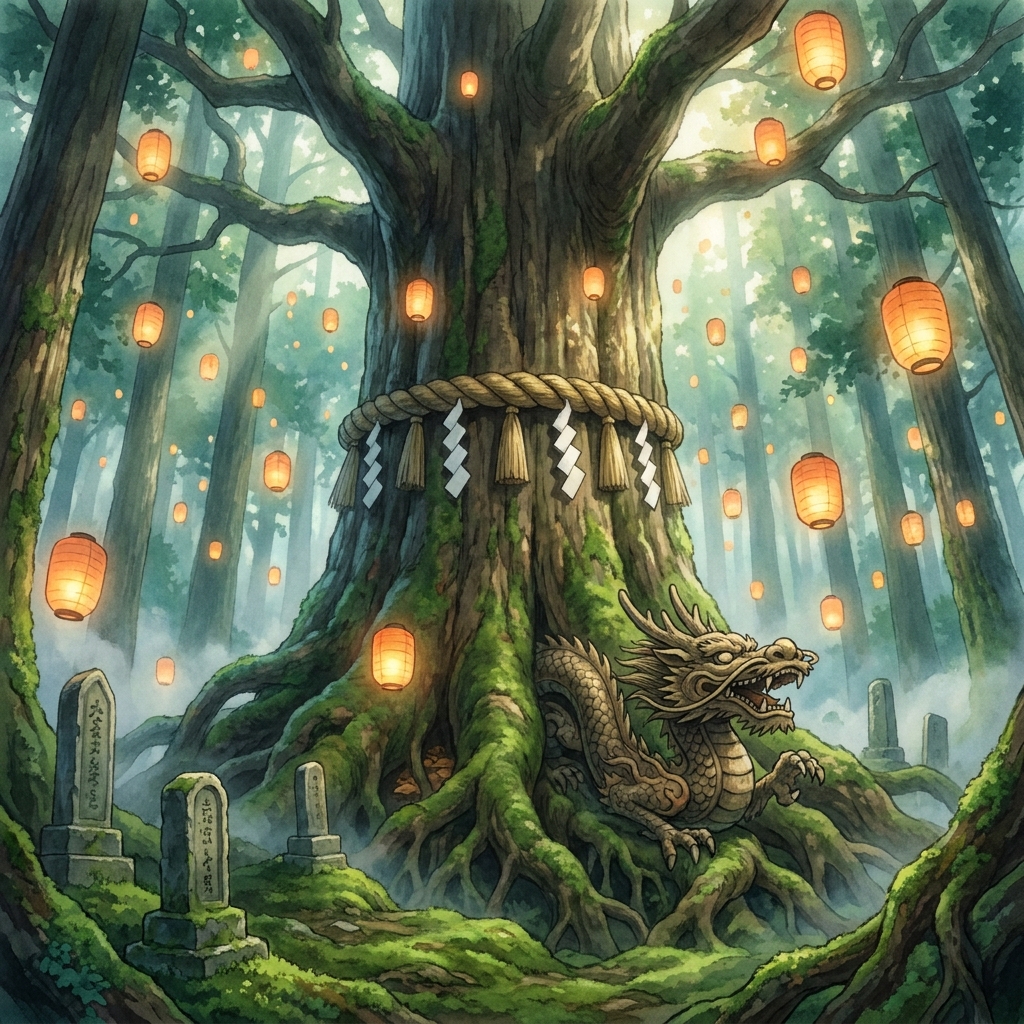
Basic Information
Sube jinja (Sube Shrine), located in Miyaguchi, Hamana Ward (formerly Hamakita Ward), Hamamatsu City, Shizuoka Prefecture, is an ancient shrine with over 1000 years of history. Its name is recorded in the Engishiki-jinmyocho (Register of Shrines) from the Heian period, making it an “Engishiki-naisha” (a shrine listed in that historical document), and it has long been a central focus of faith in this region.
Location: 635 Miyaguchi, Hamana Ward, Hamamatsu City, Shizuoka Prefecture
Deities: Susanoo-no-mikoto, Kushinadahime-no-mikoto
Main Festival: Miyaguchi Matsuri (Miyaguchi Festival), which unfolds primarily along the street in front of Koshinjiji Temple in Miyaguchi.
The Mystery of the Name “Sube” and the Origin of “Miyaguchi”
The unusual name “Sube” (須倍) is the first thing that catches the eye. While there are various theories regarding its origin, one suggests it comes from “suberu,” meaning to govern or unify this land. Another theory states that it was a jinja dedicated by the “Sube clan,” a powerful family that once ruled this area, highlighting its deep connection with ancient influential clans.
Furthermore, the place name “Miyaguchi” itself, where this jinja is located, originates from it being the “miya no kuchi” or “shrine entrance” to Sube jinja. This is evidence that the entire town developed around the jinja, indicating its role as a spiritual pillar for the local residents.
Mystery and Untold Stories: The History of Relocation and the “Phantom Ancient Shrine”
The current Sube jinja was not originally located at this exact spot. It was once enshrined about 1 kilometer north of its present location, in a place known as “Furu-miya” (Ancient Shrine).
It is said to have been moved to its current location after enduring the ravages of war during the Sengoku period and other historical changes. A sacred atmosphere is still said to linger around the original site, and it is talked about among history enthusiasts as a mystery surrounding the “Moto-miya” (original shrine site).
Furthermore, the sacred trees (goshimboku) and old stone monuments within the shrine grounds bear traces believed to have been dedicated by nobles and samurai who visited this area in the past. While it may not often appear on the main stage of Hamamatsu’s history, it is known to those in the know as a power spot.
The Enthusiastic “Miyaguchi Matsuri” and Lavish Floats
Miyaguchi Matsuri (Miyaguchi Festival), commonly known as Miyaguchi Gion Matsuri, is the annual grand festival of Sube jinja and boasts one of the most fervent atmospheres in Hamamatsu City. Particularly noteworthy is the sight of lavishly decorated “chokoku yatai” (carved festival floats) being pulled through the hilly streets of Miyaguchi.
The carvings on these floats are incredibly intricate, embodying the pride of local artisans. At night, the sight of the floats, illuminated by paper lanterns, ascending and descending steep slopes is truly spectacular. Its grandeur is known as “the day when the quiet temple town becomes most fervent all year.”
Pilgrimage Information: Connection to the Anime “Laid-Back Camp”
The Miyaguchi district, where Sube jinja is located, is also known as a pilgrimage site for the popular anime “Laid-Back Camp SEASON2” (Yuru Camp△ SEASON2).
Miyaguchi Station on the Tenryu Hamanako Railway, where one of the protagonists, Nadeshiko Kagamihara, stopped during her solo camping trip, as well as the historic kura-zukuri (storehouse-style) building of Koshinjiji Temple nearby, and shops selling the local specialty “abura-age” (deep-fried tofu) are all scattered around the jinja.
In the anime, Miyaguchi’s atmospheric townscape is beautifully depicted. Sube jinja, as the guardian kami of this townscape, quietly watches over fans who visit for their pilgrimage. It is easy to incorporate into a walking route from the station, and as a spot where visitors can experience history while soaking in the anime’s atmosphere, many fans come to pay their respects.
Highlights for Your Visit
The shrine grounds are exceptionally tranquil; stepping inside, you’ll feel as if the surrounding hustle and bustle fade away. In particular, the carvings on the haiden (worship hall) and the expressive faces of the guardian komainu statues, imbued with history, are a must-see. As you walk through Miyaguchi’s old streets, why not reflect on the era when travelers of the past paused at this “miya no kuchi” (shrine entrance)?
Related Links and References
No sources available.