 By ando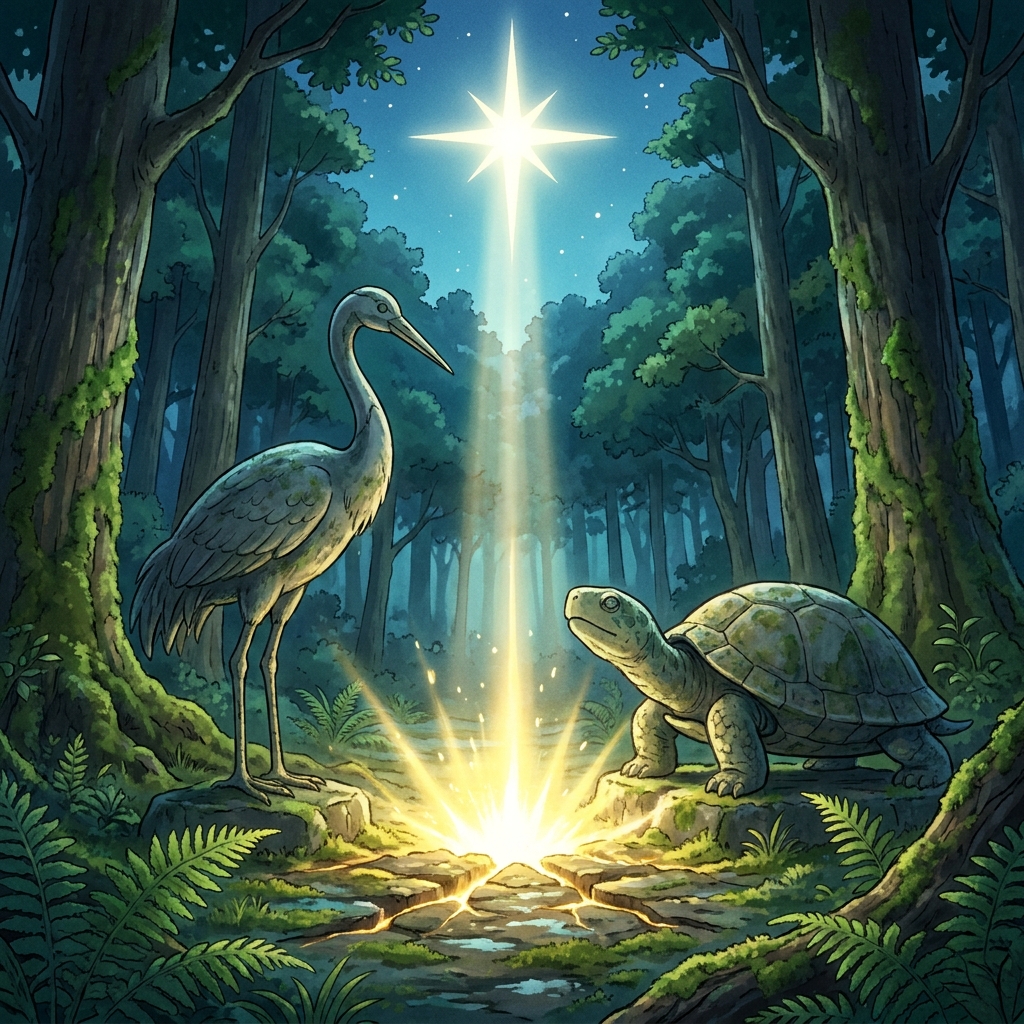
Nikko Toshogu Shrine, located in Nikko City, Tochigi Prefecture, enshrines Tokugawa Ieyasu, the first shogun of the Edo shogunate, as a kami known as Tosho Daigongen. Registered as a UNESCO World Heritage site in 1999, it is one of Japan’s most prominent power spots. But did you know that behind its magnificent and opulent decorations, numerous mysteries and urban legends lie hidden?
In this guide, we will thoroughly explain everything from basic information about Nikko Toshogu Shrine, which reveals deeper layers the more you learn about it, to spine-chilling mysteries, and even pilgrimage information essential for fans.
Basic Information about Nikko Toshogu Shrine:
Its location is 2301 Sannai, Nikko City, Tochigi Prefecture. The main enshrined kami is Tosho Daigongen (Tokugawa Ieyasu-ko). Major highlights include Yomeimon Gate (a National Treasure), the Three Wise Monkeys, the Sleeping Cat, and the Crying Dragon (at Yakushido Hall). A distinctive feature is its luxurious construction, incorporating over 5,000 intricate carvings and representing the pinnacle of architectural technology from its era.
1. The “Demon-Repelling Inverted Pillar” that Rejected Perfection
Yomeimon Gate, often considered a symbol of Nikko Toshogu Shrine, has 12 pillars. Of these, one pillar features carvings with an inverted pattern. This is known as the “Demon-Repelling Inverted Pillar.” Why was it intentionally inverted? In Japan, there has long been a belief that “a building begins to decay the moment it is completed.” By deliberately leaving one part unfinished or imperfect, the artisans imbued the pillar with their wisdom and prayers, hoping to ward off evil and ensure the building’s eternal preservation.
2. The Children’s Song ‘Kagome Kagome’ and the Mystery of Tokugawa’s Buried Treasure
One of the most famous urban legends surrounding Nikko Toshogu Shrine is that of Tokugawa’s buried treasure. There is a theory that the lyrics of the children’s song ‘Kagome Kagome’ are actually a coded message indicating the treasure’s hidden location. ‘Tsuru to Kame ga subetta’ (The crane and turtle slipped): In front of Okusha Hotou, which is Ieyasu’s mausoleum, stand rare statues of a crane (tsuru) and a turtle (kame). ‘Ushiro no shomen da are’ (Who is behind you?): The rumor suggests that gold for the restoration of the shogunate might be buried in the direction these statues point, or directly behind them. Such a romantic rumor continues to captivate many history enthusiasts to this day.
3. The “Immortal Ley Line” Connecting the North Star and Edo
The layout of Nikko Toshogu Shrine incorporates advanced feng shui and astronomy. It is said that Yomeimon Gate was designed so that the North Star is always positioned directly above it. It is believed that Ieyasu-ko intended to become a guardian watching over the peace and stability of Edo from the center of the universe. Furthermore, if you draw a straight line directly north from Edo Castle (the present-day Imperial Palace), you will find Nikko Toshogu Shrine at its end. This reveals the strategy of the great monk Tenkai, who sought to solidify the Tokugawa reign by establishing this “northern defense.”
4. The “Imagined Elephant” of the Genius Painter
Beneath the eaves of the Kamijinko (Upper Sacred Storehouse), there is a large elephant carving. This was drawn by Kano Tan’yu, a genius painter of the Edo period, but in fact, there were no real elephants in Japan at that time. Since Tan’yu depicted this elephant solely based on hearsay, its form—such as the shape of its ears and how the hair grows on its tail—differs slightly from a real elephant, making it an “imagined elephant.” It is a charming spot that reflects the rich imagination of people from that era.
Pilgrimage Information: Nikko in the World of Anime and Games
Nikko Toshogu Shrine and its surroundings appear as settings or motifs in many anime and games. ‘Puraore! Pride of Orange’ is a girls’ ice hockey anime set in Nikko City. Famous spots within the city, such as Nikko Toshogu Shrine and Shinkyo Bridge, are realistically depicted in the work, leading to enthusiastic fan pilgrimages. For ‘Touhou Project,’ while not a direct setting, Nikko Toshogu Shrine’s ‘Three Wise Monkeys’ and ‘Sleeping Cat’ are sometimes mentioned as motifs in Touhou Project’s book works (such as ‘Forbidden Scrollery’) or discussed among fans as potential inspirations for characters. In ‘Fate/Grand Order (FGO),’ in events related to the Tokugawa family (such as ‘Tokugawa Kaiten Meikyu Ooku’), the historical background of Nikko Toshogu Shrine and the presence of Ieyasu-ko sometimes hold crucial keys to the story, attracting attention from both history and game fans.
Nikko Toshogu Shrine is not merely a tourist destination; it is a place where the ambitions of one man, Tokugawa Ieyasu, the skills of the artisans who supported him, and mysteries that continue into the present day all converge. The next time you visit, be sure to look for the ‘Inverted Pillar’ and the ‘Crane and Turtle’ and ponder the stories hidden behind them.