 By ando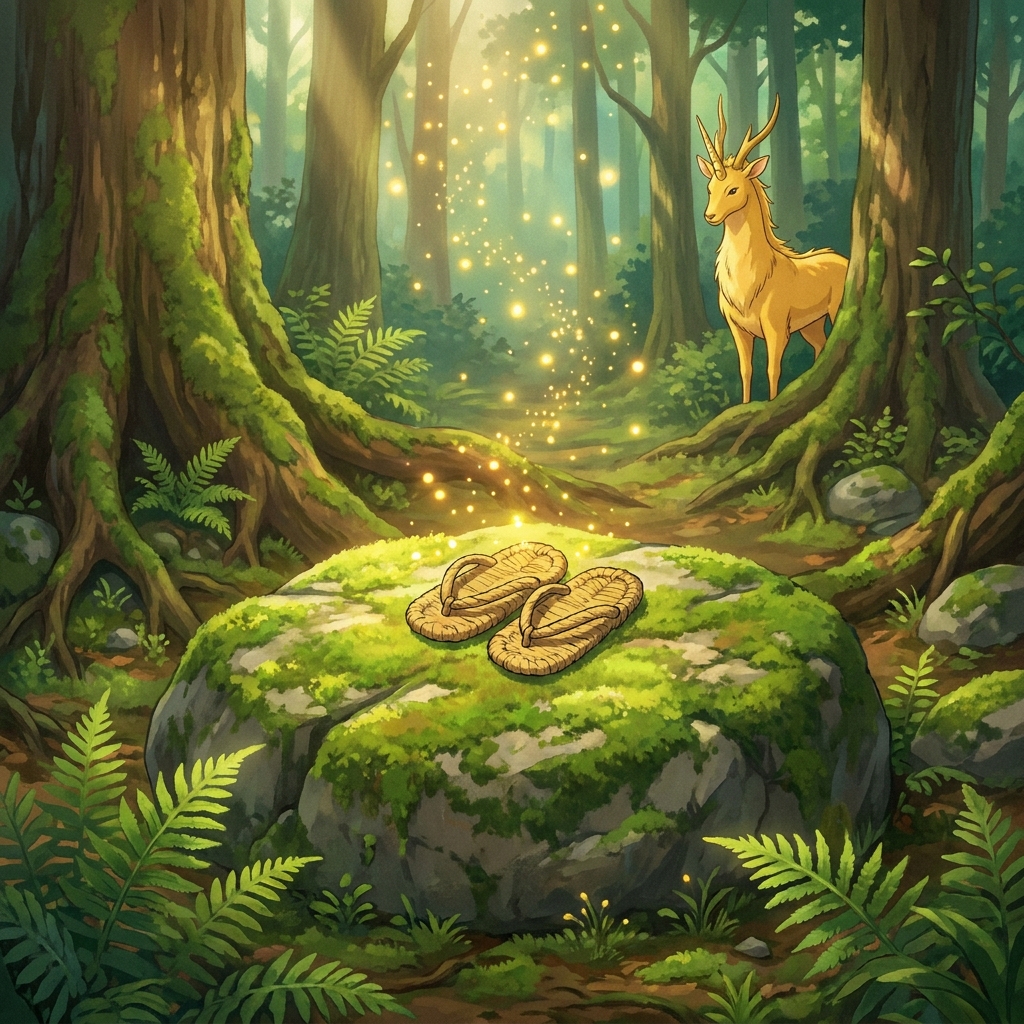
Ube jinja, located in Tottori City, Tottori Prefecture, is an ancient shrine known as the most prestigious Ichinomiya (first shrine of a province) of Inaba Province. Founded in 648 (Daika 4), this jinja holds surprising legends and mysterious divine blessings (goriyaku) that continue to fascinate history buffs and those who enjoy visiting power spots.
Basic Information
– Location: 651 Kokufucho Miyashita, Tottori City, Tottori Prefecture
– Enshrined Kami: Takenouchi-no-Sukune-no-Mikoto
– Divine Blessings (Goriyaku): Business prosperity, increased financial luck, longevity, safe childbirth
Lived to 360 years old?! The Mystery of Japan’s Longest-Lived Kami
Takenouchi-no-Sukune-no-Mikoto, the enshrined kami of Ube jinja, is a legendary loyal retainer who served five emperors: Keiko, Seimu, Chuai, Ojin, and Nintoku. What’s astonishing is his lifespan; he is said to have lived for over 360 years.
Behind the shrine, at Kamegane-no-oka, a mysterious legend of his final moments remains. In the 55th year of Emperor Nintoku’s reign, Takenouchi-no-Sukune visited this place and is said to have suddenly vanished, leaving behind only his straw sandals (souri). Even today, a stone called Sori-seki (Twin Sandal Stone) is enshrined there, revered as the sacred place where he ascended to heaven.
An Untold Story of “Connection to Money”: The Shrine Featured on Japan’s First Banknotes
There’s a clear reason why Ube jinja constantly draws worshippers from across Japan as a “sacred place for financial luck.” In fact, in Meiji 32 (1899), Ube jinja was the very first shrine to be depicted on Japanese currency (the five-yen banknote).
Subsequently, the main hall (haiden) was featured on banknotes multiple times during the Taisho and Showa eras, alongside a portrait of Takenouchi-no-Sukune. This led to the widespread belief in the jinja as having a “connection to money,” and even today, countless people visit to pray for business prosperity and lottery wins. At the juyosho (amulet office), “money-gathering omamori” (charms) designed after the banknotes of that era are also very popular.
A Pilgrimage Spot for the Anime “Free!”
Ube jinja is also famous as a sacred pilgrimage spot for the popular swimming anime “Free!”.
In the anime, it appears in memorable scenes as the local shrine near Iwatobi High School, attended by the protagonists. The long stone staircase leading to the shrine grounds and the depiction of Tottori’s traditional performing art, the Kirin Shishimai (Kirin Lion Dance), are reproduced with such accuracy that fans can recognize them instantly. On the day of the annual festival, many fans visit to immerse themselves in the anime’s world.
An Unexpected Connection to Godzilla, King of the Monsters
As another surprising untold story, there is a connection to Akira Ifukube, who composed the famous theme music for the movie “Godzilla.”
The Ifukube family is a descendant of the distinguished Ifukube clan, who served as shinto priests (shinshoku) at Ube jinja for generations. There is also a monument on the shrine grounds commemorating Akira Ifukube’s achievements, making it a must-see spot for music and tokusatsu (special effects) fans.
The Kirin Shishimai: Golden Lions Dance
The Kirin Shishimai, a traditional performing art unique to eastern Tottori Prefecture, is dedicated at the annual Grand Festival (Reitaisai) on April 21st. Unlike typical lion dances, the sight of the golden “Kirin” (a mythical creature) with a single horn on its head, dancing gracefully and leisurely, is truly spectacular. This dance has been designated a National Important Intangible Folk Cultural Property, and its mystical movements invite viewers into ancient romance.
With its legends of longevity, blessings for financial luck, and deep connections to anime and film, Ube jinja is truly a treasure of Inaba, a place where new discoveries await with every visit.
Related Links and References