 By ando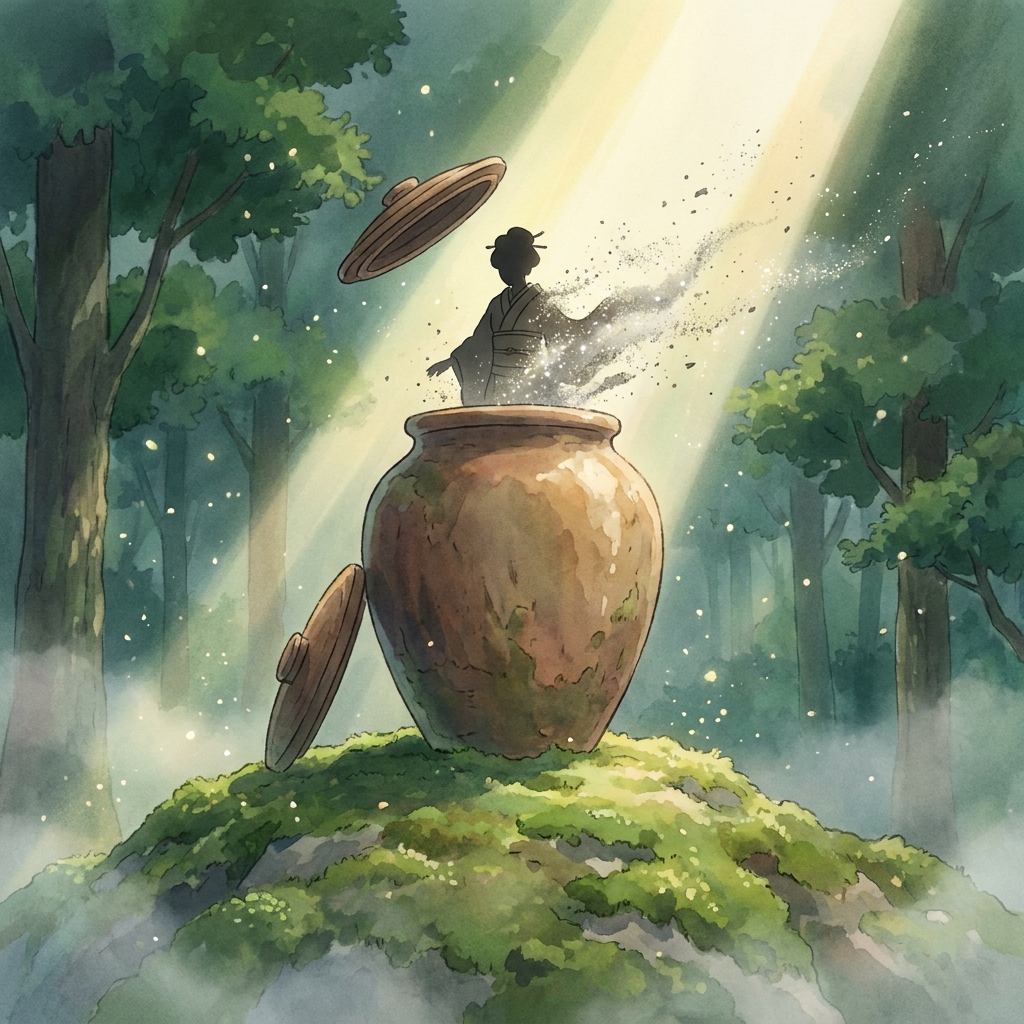
The Toyokuni Jinja, located in Higashiyama-ku, Kyoto City, enshrines Toyotomi Hideyoshi as a kami. Hideyoshi was a warlord who rose through the Sengoku period to achieve the unification of Japan. While locals affectionately call it “Hokoku-san,” its history is surprisingly tumultuous, hiding many mysteries and untold stories.
Basic Information:
Location: 530 Shomenchayamachi, Yamato-oji-dori, Higashiyama-ku, Kyoto City, Kyoto Prefecture.
Enshrined Kami: Toyotomi Hideyoshi-ko (Toyokuni Daimyojin).
Blessings: Career success and good fortune, fulfillment in relationships, protection from evil.
Access: Approximately a 10-minute walk from Shichijo Station on the Keihan Main Line, or about a 5-minute walk from the “Hakubutsukan Sanjusangendo-mae” city bus stop.
Tokugawa Ieyasu’s “Thorough Eradication” and the 250-Year Blank:
The most shocking aspect of Toyokuni Jinja’s history is the fact that it was once completely erased from existence. After Hideyoshi’s death in 1598, he was granted the divine title “Toyokuni Daimyojin” by Emperor Go-Yozei, and a magnificent jinja complex was built. However, Tokugawa Ieyasu, who overthrew the Toyotomi family, feared Hideyoshi’s lingering influence. He stripped Hideyoshi of his divine title, destroyed the shrine buildings, blockaded the approach, and forced the jinja’s abandonment. For approximately 250 years thereafter, until its reestablishment by order of Emperor Meiji in the Meiji era, Hideyoshi was stripped of his status as a kami and left neglected amidst overgrown grass. The current shrine buildings stand on the former site of the Hoko-ji Daibutsu-den (Great Buddha Hall) that Hideyoshi himself had constructed.
Legend and Mystery: Hideyoshi’s Mummy Sleeping on Amidagamine:
To the east of the jinja, atop Mount Amidagamine, lies Toyokuni Byo, Hideyoshi’s mausoleum. Here, an astonishing tale remains that surprises history enthusiasts. In 1897, during an excavation conducted to rebuild the mausoleum for Hideyoshi’s 300th memorial, the mummified remains of Hideyoshi were astonishingly discovered. Records indicate that Hideyoshi was placed in a large pot, seated with his arms crossed, facing west (the direction of Jodo, the Pure Land). However, a dramatic and poignant legend says that the remains, after being sealed for many years, crumbled into ash in an instant upon exposure to the outside air.
National Treasure Karamon Gate and the Mystery of the “Eyeless Cranes”:
The massive Karamon gate standing at the front of the shrine grounds is a National Treasure said to be a remnant of Fushimi Castle. It is counted as one of the “Three Great Karamon Gates of Kyoto,” along with those of Nishi Hongan-ji and Daitoku-ji temples. This gate features carvings of cranes, said to have been sculpted by the legendary artisan Hidari Jingoro. If you look closely, you will notice that the cranes have no eyes. There’s an intriguing backstory to this: it was feared that if eyes were added, the cranes were so masterfully carved that they might actually fly away, so the eyes were deliberately left uncarved.
Adjacent Hoko-ji Temple’s “Cursed Bell”:
Right next to the jinja is Hoko-ji Temple, which houses a large bronze bell inscribed with the controversial phrase “Kokka Anko, Kunshin Horaku” (Nation’s peace and prosperity, Lord’s and vassals’ joy). This was the site of the infamous “Bell Inscription Incident,” where Tokugawa Ieyasu claimed that the inscription deliberately split his name (Ie-yasu) and celebrated the Toyotomi as ruler. When visiting Toyokuni Jinja, this actual bell, which played a pivotal role in history, is a must-see.
Anime and Game Pilgrimage Site: Where Saniwa of “Touken Ranbu” Gather:
Toyokuni Jinja is also immensely popular as a sacred site for the highly popular game and anime “Touken Ranbu.” The reason for this is that it holds Hideyoshi’s beloved sword, the renowned “Honebami Toushirou,” which is now designated as an Important Cultural Property.
While the real Honebami Toushirou is usually entrusted to the Kyoto National Museum, the jinja offers goshuin stamps featuring Honebami Toushirou motifs, as well as sword-designed omamori (charms) and ema (votive tablets). Many fans, known as Saniwa, visit to pay their respects.
Toyokuni Jinja is also one of the shrines participating in the “Kyoto Sword Goshuin Pilgrimage,” along with Awata Jinja, Fujimori Jinja, and Kenkun Jinja. Pilgrims often visit all four shrines to collect special goshuin.
From a ruler of the nation, to being buried in the shadows of history, and then once again brought into the light: this is Toyokuni Jinja. Why not write your wish on a “hyotan ema” (gourd votive tablet), inspired by Hideyoshi’s battle standard, and feel its dramatic power for yourself?
Related links and references are available for further reading.