 By ando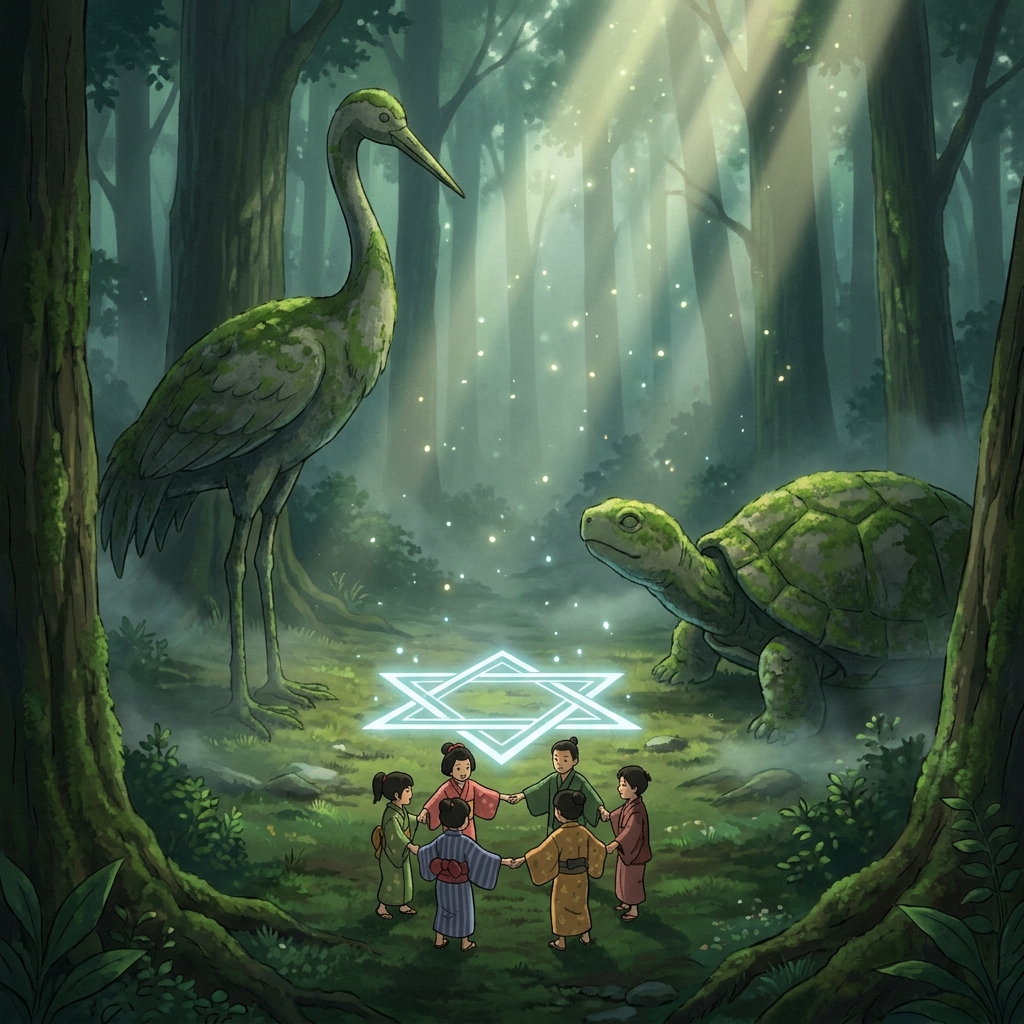
Nikko Toshogu jinja, enshrined in Nikko City, Tochigi Prefecture, is one of Japan’s most prominent sacred sites, dedicated to Tokugawa Ieyasu, the first shogun of the Edo shogunate, as Toshodai Gongen. It was registered as a UNESCO World Cultural Heritage site in 1999 and attracts many worshipers from both Japan and abroad.
However, did you know that this gorgeous and elaborate shrine complex holds more than just beauty, concealing many mysteries and clever contrivances? This time, we will introduce episodes and mysteries to help you enjoy Nikko Toshogu jinja more deeply.
Basic Information
– Location: 2301 Sannai, Nikko City, Tochigi Prefecture
– Main Kami Enshrined: Tokugawa Ieyasu (Toshodai Gongen)
– History: Founded in 1617 according to Ieyasu’s will. Most of the current shrine buildings were completed during the “Kan’ei no Daizotai” (Great Reconstruction of Kan’ei) in 1636, led by the 3rd shogun, Tokugawa Iemitsu.
—
1. “Incompletion” as Perfection? The Demon-Repelling Inverted Pillar of Yomeimon Gate
The National Treasure Yomeimon Gate, which can be called the symbol of Nikko Toshogu jinja, holds a surprising secret. Among the 12 pillars supporting the gate, adorned with over 500 intricate carvings, one pillar has its carving pattern “inverted.”
This is known as the “demon-repelling inverted pillar (sakabashira).” Since ancient times in Japan, there was a belief that “a building begins to deteriorate the moment it is completed.” By intentionally inverting one pillar, making it “incomplete,” the artisans wished to prevent the building’s collapse and ensure its eternal preservation. This embodies their subtle wisdom.
2. The Deep Messages in the “Three Wise Monkeys” and the “Sleeping Cat”
The famous Three Wise Monkeys: “see no evil, speak no evil, hear no evil.” These are actually part of eight relief panels carved on the Sacred Stable (Shinkyusha), telling a story that depicts “how humans should live a peaceful life” through the lifespan of monkeys. The Three Wise Monkeys teach us to “grow up honestly in childhood, seeing no evil, speaking no evil, and hearing no evil.”
Also a must-see is the “Sleeping Cat” located at the entrance to the Okumiya (Inner Shrine). While it is a peaceful depiction of a cat dozing off, on its reverse side, “sparrows playing in a bamboo grove” are carved. Only because their natural enemy, the cat, is sleeping, can the sparrows play without worry. In other words, it symbolizes “a peaceful world where the vulnerable can live without fear.”
3. Urban Legend: The Children’s Song “Kagome Kagome” and the Tokugawa Buried Treasure
Nikko Toshogu jinja also has a mystery that is still told today: the urban legend that the lyrics of the children’s song “Kagome Kagome” indicate the hiding place of the Tokugawa shogunate’s buried treasure.
– “Kagome” (basket weave pattern): A hexagram that appears when connecting temples and shrines associated with Tokugawa.
– “The crane and turtle slipped”: The statues of a “crane and turtle” in the Okumiya.
– “Who is behind you?”: A small shrine directly behind Ieyasu’s tomb (Hotou, treasure tower).
This small shrine has a hexagram crest carved on it, and the romantic urban legend that perhaps the shogunate’s treasure, or something of great significance that could overturn history, lies beneath it, attracts many history buffs.
4. The Mysterious Sound of the Crying Dragon (Nakiryu)
The giant dragon painted on the ceiling of Honjido (Yakushido). If you clap two wooden blocks together directly beneath its face, the sound reverberates between the ceiling and floor, and a high-pitched, ringing sound, like a dragon crying, echoes. This is an acoustic phenomenon called “flutter echo.” However, if you move even slightly away from the dragon’s face, the sound will not resonate, which demonstrates the astonishing architectural skill of that era.
—
Anime Pilgrimage Information
Nikko Toshogu jinja and its surroundings also appear as settings or models in anime works.
Puraore! ~PRIDE OF ORANGE~
A girls’ ice hockey anime set in Nikko City. In the work, characters visit Nikko Toshogu jinja to pray for victory.
Demon Slayer: Kimetsu no Yaiba
Although not an official setting, due to the dignified atmosphere of the Ubuyashiki residence and the connection to Ieyasu (Toshodai Gongen) who symbolizes the sun, more fans are visiting it with a sense of it being a “sacred site.” Many fans, in particular, explore the connection between “Breath of the Sun” and Nikko.
—
Nikko Toshogu jinja is not merely a tourist destination; it is a massive message device, with prayers for “Tenka Taihei” (peace throughout the land) that Tokugawa Ieyasu aimed for, dwelling in every detail. When you visit next, be sure to pay attention to the “inverted pillar” and “the reverse side of the carvings,” and experience its mysteries firsthand.
Related Links and References
[1] The Seven Mysteries of Nikko Toshogu: Thorough Explanation of Mysteries from Scary Stories to Urban Legends
[2] Nikko Toshogu: A Complete Guide to the History, Highlights, and Visiting Information of a Historic Shrine – Wanotto Media
[3] Episode 3 “The Location of the Tokugawa Buried Treasure,” “The Tunnel Taxis Can’t Pass Through,” “The True Identity of Hattori Hanzo” – [Urban Legends] Stories You Shouldn’t Have Known (Jinryu Takahama (Kakuyomu Branch)) – Kakuyomu
[4] Nikko Toshogu
[5] Nikko Toshogu [Tochigi Prefecture] – Cultural Research Log
[6] Nikko Toshogu – Wikipedia
[7] Should the Tokugawa Buried Treasure Not Be Dug Up? Explaining the Reason and its Relationship with “Kagome Kagome” – Mynavi Woman
[8] Nikko Toshogu
[9] “Who is Behind You…? Deciphering the Hidden Code at Nikko Toshogu” – Travelogue/Blog by Wendy-san (4travel.jp)
[10] [What is the code hidden in the children’s song?] – daidaiyaasahi
[11] Seeing the Meaning of Kagome Kagome in Nikko Toshogu | imozo’s Random Journal
[12] Summary of Movies, Dramas, and Anime Set in Tochigi | Nasu Utopia
[13] 7 Anime Sacred Sites in Tochigi Prefecture! Popular Works One After Another! Touring the Stages of Your Favorite Anime | DEEPLOG
[14] People, Works, and Sacred Site Pilgrimage Related to Nikko City | Machi Report