 By ando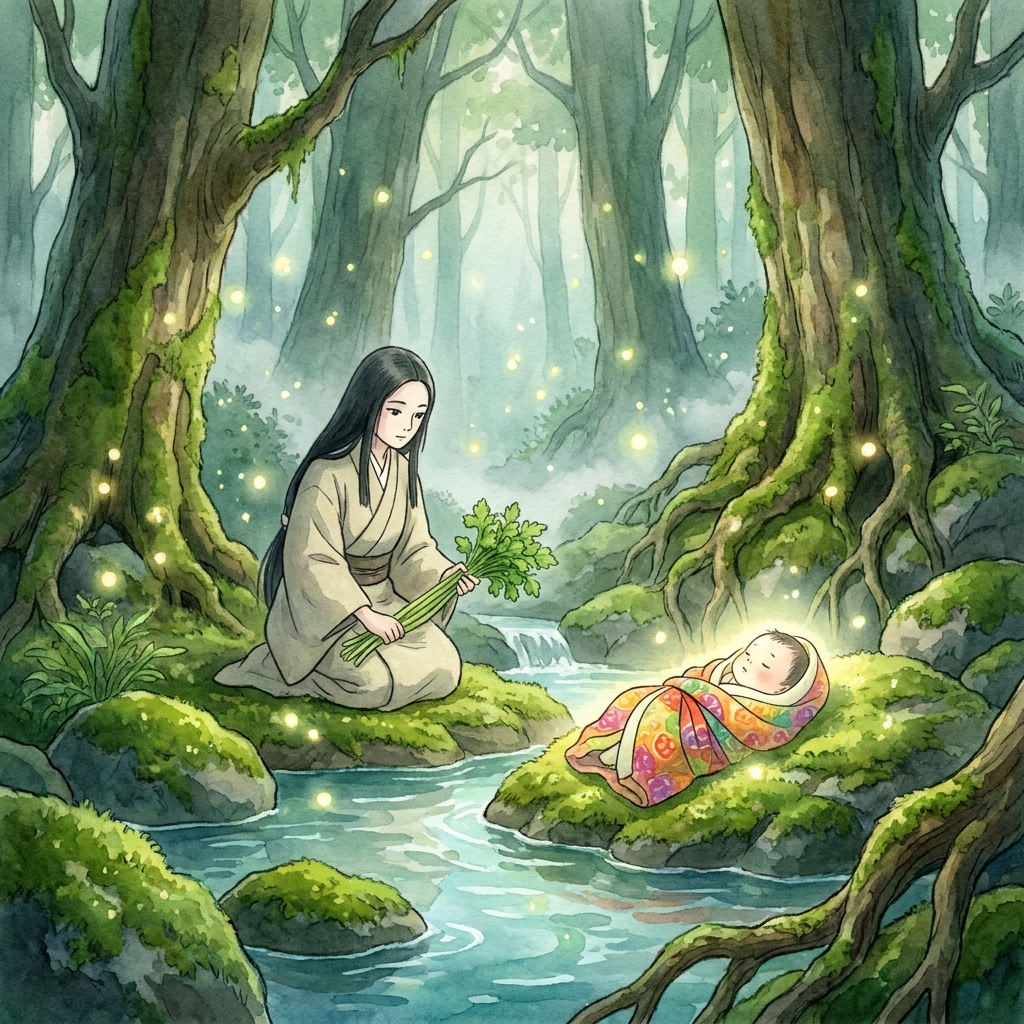
Tamura Jinja (Tamura Shrine), located in Tamura-machi, Koriyama City, Fukushima Prefecture, is a power spot steeped in history and legend. It enshrines Sakanoue no Tamuramaro, a hero of the Heian period, as its principal kami. This article will introduce mysterious anecdotes passed down at this jinja, along with must-see highlights for history enthusiasts.
Basic Information
Location: 135 Honkyo, Yamanaka, Tamura-machi, Koriyama City, Fukushima Prefecture
Enshrined Kami: Sakanoue no Tamuramaro
Founded: Daido era (806-810)
The Legend of “The Beauty and The Ugly Woman” Surrounding the Hero’s Birth
This area, where Tamura Jinja is located, holds a very interesting legend about the birth of Sakanoue no Tamuramaro.
According to the legend, when Tamuramaro’s father, Sakanoue no Karitamaro, was engaged in the subjugation of the Emishi people in this region, he was led by a mysterious light to the pure spring water of “Tokusa-Tamura.” There, he is said to have encountered “the most unattractive woman in the land” (Mikuniichi no Shikome) who was gathering water dropwort.
However, when Karitamaro brought this woman back to his camp, she eventually gave birth to a boy as precious as a jewel. This boy was the future Tamuramaro, and one theory suggests that the name “Tamura” was given in honor of his birthplace. The mystery behind the hero’s mother being remembered as an “ugly woman” could be an expression concealing the identity of a powerful local’s daughter, or perhaps she was a deified being.
A Meiji Era Mystery: The “Buddhist Implement Dispute Trial” Between a Jinja and a Temple
Tamura Jinja has a history of a “trial” that is rare even across Japan.
Originally, this site was founded as a Buddhist temple called Chinjusan Taihei-ji, embracing the syncretic fusion of Shinto and Buddhism (shinbutsu shugo). However, due to the Shinbutsu Bunri (Separation of Shinto and Buddhism) ordinance in the Meiji era, it was renamed Tamura Jinja. At that time, Buddhist implements and treasures that had been housed there were moved to the nearby Entsu-ji temple.
Later, however, the jinja demanded their return, claiming they were jinja treasures. This astonishingly escalated into a lawsuit. Ultimately, a settlement was reached with an unusual condition: the Buddhist implements would be returned to the jinja, but the religious ceremonies would be conducted by Entsu-ji temple. Even today, despite being a jinja, it strongly retains vestiges of its former temple identity, a testament to this complex history.
A Treasure Trove Visited by Matsuo Basho
In Genroku 2 (1689), Matsuo Basho and Sora also visited this area during their journey chronicled in “Oku no Hosomichi” (The Narrow Road to the Deep North). Sora’s diary records their visit to the then “Daimyoshu Myo-o” (which is now Tamura Jinja) and their viewing of numerous jinja treasures.
Even today, a haiku monument inscribed with Basho’s poem “Furuyu no hatsu ya Oku no ta ueuta” (“The beginning of elegance / Is in the rice planting songs / Of the deep north”) stands on the grounds, making it a sacred site for literature fans.
Don’t Miss These! Highlights Within the Grounds
1. Prefectural Designated Important Cultural Property: Zushi (Miniature Shrine)
The zushi enshrined inside the main hall (honden) is a valuable structure showcasing the architectural style of the Azuchi-Momoyama period. Its intricate decorations reveal the high level of craftsmanship from that era.
2. Impressive Large Ema (Votive Tablets)
Huge ema, designated as Prefectural Important Cultural Properties, such as the “Oe-yama” and “Three Heroes of the Three Kingdoms” paintings, are dedicated here. The presence of such high-quality ema is evidence of how deeply this region has been revered since ancient times.
3. Sacred Sword Donated by Date Yoshimura
A tachi (long sword) inscribed “Oshu Sendai-ju Kunitsugu,” donated by Date Yoshimura, the 5th lord of the Sendai domain, was designated as a Koriyama City Important Cultural Property in Reiwa 6 (2024). This indicates the profound reverence the Date family held for the jinja.
Seasonal Colors and “Yamanaka Matsuri”
Tamura Jinja offers seasonal beauty with spring’s dogtooth violet flowers, summer’s “Yamanaka Matsuri” festival, and autumn’s illuminated fall foliage. Especially during the autumn foliage season in November, the illuminated approach creates a magical atmosphere, inviting visitors into a world of mysterious legends.
From the hero Sakanoue no Tamuramaro, through Basho’s visit, to the Meiji-era courtroom drama, Tamura Jinja in Koriyama City is a place full of historical mysteries that reveal deeper layers the more you learn. Why not pay a visit and experience its solemn atmosphere for yourself?
Related Links / References
[1] https://masmas-fukushima.com/archives/1879
[2] https://www.hidemaru3375.com/post/%E5%9D%82%E4%B8%8A%E7%94%B0%E6%9D%91%E9%BA%BB%E5%91%82%EF%BC%9A%E7%94%B0%E6%9D%91%E7%A5%9E%E7%A4%BE
[3] https://ja.wikipedia.org/wiki/%E5%9D%82%E4%B8%8A%E7%94%B0%E6%9D%91%E9%BA%BB%E5%91%82%E4%BC%9D%E8%AA%AC
[4] http://www.komainu.org/fukusima/kooriyamasi/TamuraYamaHon/tamu.html
[5] https://geo.d51498.com/urawa0328/hosomiti2/tamurajinja.html
[6] https://ja.wikipedia.org/wiki/%E7%94%B0%E6%9D%91%E7%A5%9E%E7%A4%BE_(%E9%83%A1%E5%B1%B1%E5%B8%82)
[7] https://www.city.koriyama.lg.jp/uploaded/attachment/80666.pdf
[8] https://fukushima-db.com/bunkazai/kenchu/koriyama/129/
[9] https://www.city.koriyama.lg.jp/soshiki/146/1871.html
[10] https://note.com/atsushi_arekore/n/n8e3e2c4902c6
[11] https://www.kanko-koriyama.gr.jp/tourism/detail2-0-80.html
[12] https://www.youtube.com/watch?v=bTe93AP492I
[13] https://0743sh0927sh.seesaa.net/article/201703article_12.html