
 By ando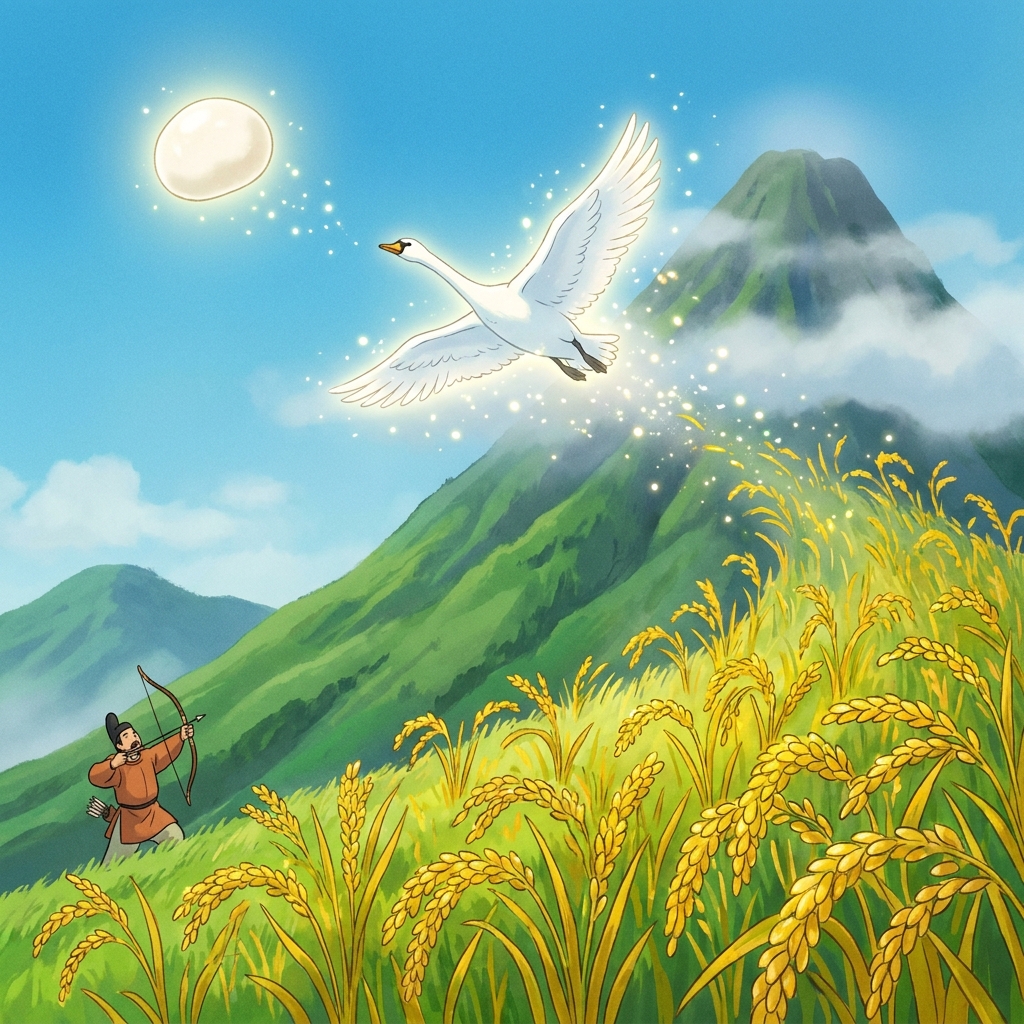
BASIC INFORMATION
Name: Fushimi Inari-taisha
Location: 68 Fukakusa Yabunouchicho, Fushimi Ward, Kyoto City
Enshrined Kami: Ukanomitama-no-Okami as the principal kami, alongside four other kami.
Founded: Wado 4 (711 AD)
Features: It is the head jinja (sohongu) for approximately 30,000 Inari jinja located throughout Japan. Known as a kami of business prosperity and abundant harvests, the entire ‘Inari-yama’ (Mount Inari) rising behind it is considered sacred ground.
MOCHI TO A WHITE BIRD? THE MYSTERIOUS ORIGINS OF FUSHIMI INARI
A slightly unusual legend surrounds the founding of Fushimi Inari-taisha. In Wado 4 (711 AD) during the Nara period, Hata no Iroku, a powerful local clan leader, shot an arrow at a mochi (rice cake) as a target, a luxurious act at the time. Suddenly, the mochi transformed into a white bird, flew to the mountain, and where it landed, an abundance of rice plants grew. Astonished by this, Iroku enshrined a kami, which is said to be the origin of Fushimi Inari. It is widely believed that the name ‘Inari’ comes from ‘Ine ga Naru’ (rice growing).
SENBON TORII’S HIDDEN TRUTH: ARE THERE REALLY 10,000 GATES?!
Fushimi Inari’s iconic symbol is the vermilion ‘Senbon Torii’ (Thousand Torii Gates) that seem to stretch endlessly. However, far from just ‘a thousand,’ it is said that there are actually around 10,000 torii lining the entire Inari-yama.
All these torii are donations from worshippers whose wishes have been granted. Since the Edo period, the custom of donating torii spread, based on a play on words meaning ‘wishes passing through’ (negai ga tooru). Incidentally, the donation price for a torii varies by size; the smallest size 5 costs around 210,000 yen, while the largest size 10 requires a hatsuho-ryo (initial offering fee) of over 1.6 million yen.
WILL YOUR WISH COME TRUE? THE MYSTERY OF THE OMOKARU-ISHI STONE
Beyond the Senbon Torii, at the ‘Okusha Hohaijo’ (Inner Shrine Worship Hall), you’ll find the famous ‘Omokaru-ishi’ stone. This is a test stone: before lifting the round stone atop a stone lantern, you make a wish. If the stone feels lighter than you expected, your wish is said to come true. If it feels heavier, your wish may be difficult to grant.
In reality, this stone is considerably heavier than it looks, and many visitors are surprised, exclaiming, “It’s heavier than I thought!” It is whispered that this is a message from the kami, suggesting that “realizing your wishes requires corresponding effort and resolve.”
THE LEGEND OF THE KODAMA-GA-IKE POND: SEARCHING FOR THE MISSING
Midway up Inari-yama, behind Kumataka-sha (Kumataka Shrine), lies ‘Shin-ike’ (New Pond), also known as ‘Kodama-ga-ike’ (Echo Pond). There’s a strange legend associated with it: when searching for a missing person, you clap your hands towards the pond, and a clue is said to be found in the direction from which the ‘kodama’ (echo) returns. Furthermore, Kumataka-sha, which juts out into the pond, is known as a power spot believed to grant blessings for one-time decisive contests, emanating a unique, mysterious atmosphere.
ANIME PILGRIMAGE INFORMATION
Due to its fantastical scenery, Fushimi Inari-taisha has served as the setting or inspiration for numerous anime works.
Inari, Konkon, Koi Iroha.: This anime is directly set here, and characters’ names, including the protagonist ‘Fushimi Inari,’ are taken from train station names along the Keihan Line. The shrine grounds offer landscapes straight out of the anime, making it an irresistible pilgrimage site for fans.
Detective Conan: The Crimson School Trip: Conan and his friends visit Fushimi Inari-taisha during their school trip to Kyoto, with scenes featuring them sightseeing.
Monogatari Series: The Senbon Torii are depicted in a way that evokes the real location, serving as one of the models for the jinja visited by Nadeko Sengoku.
Fushimi Inari-taisha is not just a tourist destination; the entire mountain is a ‘mountain of kami,’ filled with immense energy. Why not wander through the labyrinth of Senbon Torii and ponder the ancient mysteries passed down through generations?
RELATED LINKS AND REFERENCES
[1] 京都・伏見稲荷大社「おもかる石(重軽石)」 | 伏見稲荷大社-御朱印
[2] 熊鷹社|稲荷山の中腹にある協力なパワースポット! | ふしみいなりガイド
[3] 伏見稲荷大社おもかる石・伏見稲荷大社見どころ(修学旅行)
[4] 聖地巡礼 │ いなり、こんこん、恋いろは | 虹の広場
[5] 501 Not Implemented
https://jin-jaa.com/fushimi-inari-torii/
[6] 京都一の聖域?伏見稲荷大社に残る不思議な伝説とその楽しみ方 | MP
[7] TVアニメ『いなり、こんこん、恋いろは。』舞台探訪(聖地巡礼)@伏見稲荷大社その2 – 舞台探訪総研 聖地巡礼ブログ
[8] 伏見稲荷大社・千本鳥居の完全ガイド|本数・色彩などを解説
[9] 【伏見稲荷大社の千本鳥居🦊】意外な実数や意味が判明!歴史から紐解く実際の本数を簡単に説明💖 | 伏見稲荷大社-御朱印
https://xn—-h36a23lx0pugj6v2avtnvol.jinja-tera-gosyuin-meguri.com/category/%E4%BA%AC%E9%83%BD-%E4%BC%8F%E8%A6%8B%E7%A8%B2%E8%8D%B7%E5%A4%A7%E7%A4%BE%E3%81%AE%E5%8D%83%E6%9C%AC%E9%B3%A5%E5%B1%85%E3%81%AE%E6%84%8F%E5%A4%96%E3%81%AA%E5%AE%9F%E6%95%B0%E3%81%8C%E5%88%A4%E6%98%8E
[10] 京都《伏見稲荷大社》のご利益の秘密②本殿から頂上までで出合える神さま&パワースポット6選 | Discover Japan | ディスカバー・ジャパン
[11] 伏見稲荷大社 | 京都の時空に舞った風
https://kyoto-stories.com/65fushimiinari/
[12] 伏見稲荷の奥に不思議な言い伝えの池が⁉ | 京都大好き京都観光あれこれブログ
https://ameblo.jp/miyabi-kyoto/entry-12783078938.html
[13] 京の七不思議 その10『伏見稲荷大社の七不思議』 | 京都トリビア × Trivia in Kyoto
[14] おもかる石の謎!伏見稲荷大社 | 奈良の宿大正楼
https://narayado.info/kyoto/omokaruishi.html
[15] 歴史秘話ヒストリア「聖なるキツネと神秘の鳥居~伏見稲荷大社の不思議な世界~」 | 宗教情報センター
https://www.circam.jp/tvguide/detail/id=5846
[16] その覚悟、本物ですか?――伏見稲荷『おもかる石』が教えてくれる現実|松山健介
https://note.com/sekaishijuku/n/n1cf22bab6b82
[17] おもかる石と覚悟|松山健介
https://note.com/sekaishijuku/n/n306a70232766
[18] 【2026版】京都の聖地巡礼スポット!アニメの舞台となった場所を観光しよう♪ – KYOTREAT
[19] 【聖地巡礼】京都府が舞台のアニメ作品一覧!50音順・エリア別 | 聖地巡礼ギルド
https://libert.co.jp/pilgrimage-guild/kyoto-pilgrimage/