 By ando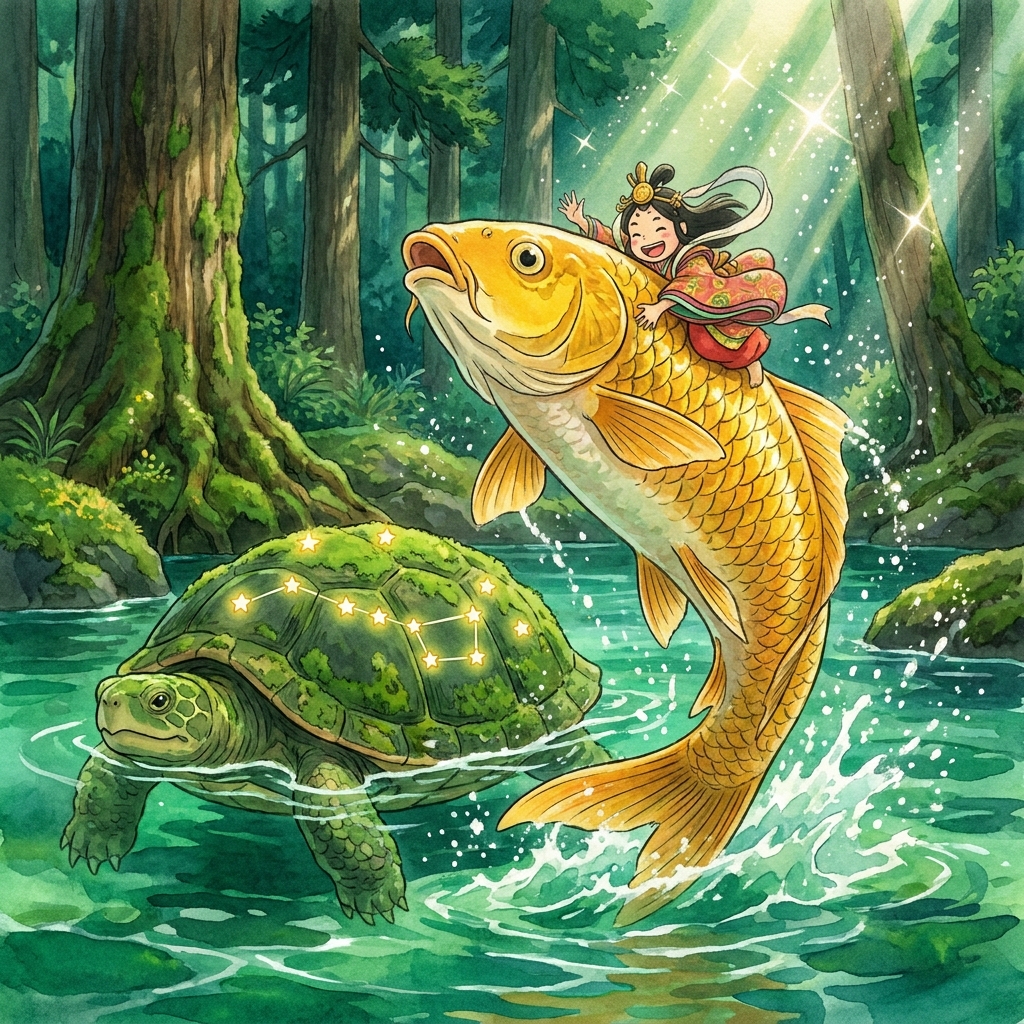
Matsunoo Taisha (Matsunoo Taisha), located near Kyoto’s Arashiyama, sits at the western end of Shijo-dori. It is one of Kyoto’s oldest jinja, having protected this land since before the capital was moved to Heian-kyo. Alongside the Kamo Jinja (Kamigamo Jinja and Shimogamo Jinja) to the east, it is known as a powerful spiritual spot, possessing such strong spiritual energy that it is called the ‘revered deity of the East, mighty spirit of the West.’
This time, we will introduce some of the lesser-known legends and mysteries surrounding this jinja, famous as the kami of sake, along with essential pilgrimage site information for anime fans.
Basic Information
Location: 3 Arashiyama Miyamachi, Nishikyo-ku, Kyoto City
Enshrined Kami: Ōyamagui-no-kami, Ichikishima-hime-no-mikoto
Founded: Taihō 1 (701 CE)
Japan’s Foremost ‘Kami of Sake’: The Technology of Ancient Immigrants
When one thinks of Matsunoo Taisha, the famous sight of countless sake barrels dedicated by breweries from across Japan comes to mind. Why is it known as the ‘kami of sake’? The key lies with the ancient immigrant clan, the Hata clan.
Around the 5th century, the Hata clan settled in this area. Utilizing advanced civil engineering techniques, they built a weir (the Oi Weir) on the Katsura River, thereby promoting agriculture. As part of these efforts, they introduced the technology of sake brewing.
A sacred spring within the jinja grounds, named ‘Kame no I’ (Turtle’s Well), is believed to prevent sake from spoiling if its water is added during the brewing process. Even today, sake brewers from all over Japan visit to draw this water.
Did It Change an Imperial Era Name? The Mystery of ‘Reiki’
Walking through the Matsunoo Taisha grounds, you will notice ‘turtle’ statues everywhere. In fact, at Matsunoo Taisha, turtles are regarded as divine messengers (shinshi) of the kami.
There is a surprising historical episode connected to this. In Wadō 8 (715 CE) during the Nara period, a ‘rare turtle with a pattern like the Big Dipper on its shell’ was discovered near Matsunoo Taisha. Empress Genshō, considering this a good omen, remarkably changed the imperial era name to ‘Reiki’ (Spiritual Turtle).
In honor of this legend, there is a ‘Reiki no Taki’ (Reiki Waterfall) within the grounds, and a ‘Kōun no Nade-game’ (Lucky Stroking Turtle) that is popular for bringing good fortune when stroked.
Riding a Carp Up Rapid Currents? The Legend of the ‘Carp’
Alongside turtles, ‘carp’ are also regarded as divine messengers (shinshi) at Matsunoo Taisha.
According to legend, when the kami of Matsunoo ascended the Hozugawa River, it rode on a turtle in calm waters and on a carp through the rapids. For this reason, Matsunoo Taisha cherishes carp as symbols of ‘career advancement’ and ‘good fortune,’ and the ‘Kōun no Sōri’ (Lucky Twin Carp) are enshrined beside the Haiden (Worship Hall).
Showa Era’s Master Garden Designer Mirei Shigemori’s ‘Last Work’
Matsunoo Taisha features three gardens collectively known as ‘Shōfūen,’ which were designed in his later years by Mirei Shigemori (Shigemori Mirei), a leading garden designer of the Showa era.
In particular, the ‘Jōko no Niwa’ (Garden of Ancient Times) expresses ‘iwakura’ (sacred rock formations), a primitive form of worship that existed before the construction of jinja buildings. It is known as Shigemori’s ‘zeppitsu’ (last work), completed just before his death. Its powerful rock arrangements are filled with a mysterious energy that overwhelms viewers.
Anime Pilgrimage: ‘Amagami-san’s Engagements’ and ‘The Eccentric Family’
‘Amagami-san’s Engagements’
It is said that Matsunoo Taisha served as the model for the ‘Tsukigami Jinja’ that appears in the work. The jinja scenery where the three sisters live as miko (shrine maidens), the sake barrels on the grounds, and the distinctive rōmon (two-storied gate) are faithfully depicted, making it an indispensable pilgrimage site for fans.
‘The Eccentric Family’
A popular anime set in Kyoto. Matsunoo Taisha, as the kami of sake, is sometimes associated as one of the motifs for the base of the ‘Ebisugawa Family’ (Ebisugawa-ke), who produce fake Denki Bran.
Shrine Visit Tip: Omikuji and ‘Taru Uranai’
A unique pleasure at Matsunoo Taisha is the ‘Taru Uranai’ (Barrel Fortune-telling). It involves shooting an arrow at a target on a sake barrel, offering a unique test of luck fitting for the kami of sake. Additionally, there is a Sake Museum (free entry) on site where you can learn about ancient sake brewing tools and its history.
Why not step away from the hustle and bustle of Arashiyama and immerse yourself in the tranquil atmosphere of this jinja, nestled in Matsuo-yama, to experience the mysteries of sake and sacred beasts that have continued since ancient times?
Related Links / References
[1] ‘Matsunoo Taisha, Enshrining the Kami of Sake. Check Out the Highlights and Points of Interest on the Grounds!’ from SODA Kyoto, Ikou.
https://souda-kyoto.jp/blog/01001.html
[2] ‘Kami of Sake: The Guardian Kami of Sake Brewing Revered by Brewers’ from Gekkeikan Homepage.
https://www.gekkeikan.co.jp/enjoy/culture/ceremony/ceremony02.html
[3] ‘Mystery of Matsunoo Jinja, Mirei Shigemori, Hata Clan, and Iwakura – Searching for Mysterious and Moving Superb Views of Japan’ from Beautiful superb view of Japan blog.
http://sazanami217.blog.fc2.com/blog-entry-263.html
[4] https://www.youtube.com/watch?v=6uaVbj1oui4
[5] ‘Matsunoo Taisha, where you can enjoy Mirei Shigemori’s four gardens’ from Niwasora.
[6] ‘Matsunoo Taisha Main Hall and Mirei Shigemori’s Garden in Kyoto – Blog – Saiboku Design Atelier, Nagoya Architectural Design Office’
https://www.saimoto.jp/blog/atelier-hitorigoto/9255/
[7] ‘Matsunoo Taisha (Matsunoo Taisha: Nishikyo-ku, Kyoto City) ~ What the original meaning of ‘Sake Kami’ enshrined by the Hata clan tells us – Ancient History Exploration from Settsu Mishima’
[8] ‘Matsunoo Taisha, Attracting Faith from Sake Brewers Nationwide – Exploring the Kami of Sake and Kyoto Jinja’ from Sake Times.
https://jp.sake-times.com/knowledge/culture/sakegkyoto-godofsake-01
[9] ‘Turtles and Carp, Newly Appeared – Kyoto Iitoko Web’
https://kyoto.graphic.co.jp/blog/archives/6543
[10] ‘Carp Legend (Village that does not raise Koinobori)’ from Legend/Tradition blog.
http://blog.livedoor.jp/ooijinja-densetsu/archives/1026076753.html
[11] ‘Matsunoo Taisha: All of Mirei Shigemori’s, Kanto’s, and Sensei’s works can be viewed – Garden Guide’
https://garden-guide.jp/spot.php?i=matsunoo
[12] ‘Anime Pilgrimage for ‘Amagami-san’s Engagements’ Matsunoo Taisha’ from amidtaka38’s blog.
https://ameblo.jp/amidtaka38/entry-12879301768.html