 By ando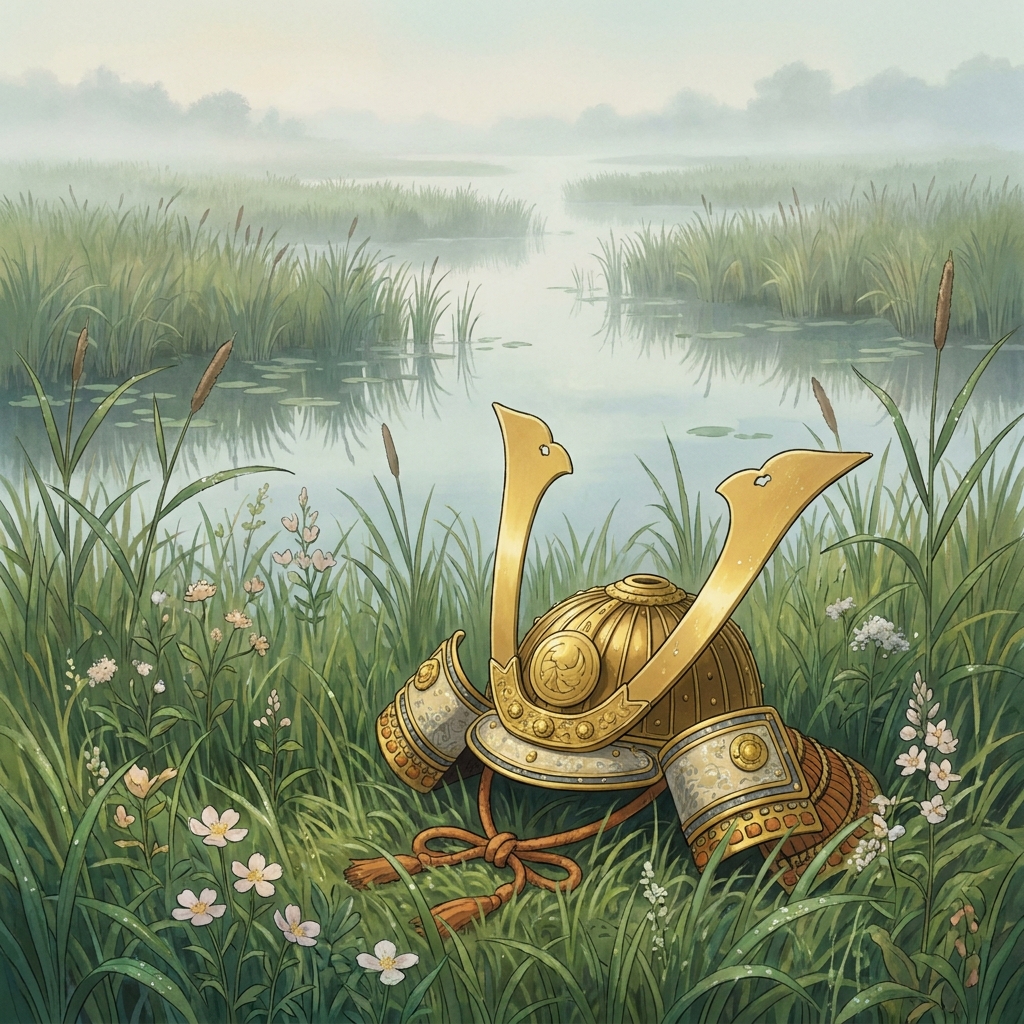
In an area spanning Uji City and Joyo City in southern Kyoto Prefecture, there exists a mysterious old jinja with a difficult-to-read name. Its name is Asakura jinja (旦椋神社). While it is generally read “Asakura jinja,” it was also historically called “Adan no Yashiro,” and it has quietly watched over thousands of years of this region’s history.
This time, we will introduce the hidden stories of Asakura jinja, including memories of a massive pond that disappeared from maps, and legends related to a tragic prince of the Genpei War.
Basic Information
There are actually two Asakura jinja shrines in the vicinity. Both claim to be the successor to the “Shikinaisha” (a highly-ranked jinja listed in the Engishiki, a record from the Heian period), and their relationship is a fascinating topic among history enthusiasts.
Uji Asakura jinja (Okubo)
Location: 109 Kitanoyama, Okubo-cho, Uji City, Kyoto Prefecture
Main Kami: Takamimusubi no Kami, Kamimusubi no Kami, Sugawara no Michizane
Joyo Asakura jinja (Kannon-do)
Location: 1-12 Kabata, Kannon-do, Joyo City, Kyoto Prefecture
Main Kami: Prince Mochihito (Takakuramiy no Mochihito-o)
—
1. The Mystery of the Name “Adan” (旦椋)
What first catches the eye is its name. Why is “旦椋” read as “Asakura” (or “Adan”)?
One theory suggests that this area was once a “Miyake” (屯倉), a directly controlled territory of the Yamato Imperial Court, and that “Azekura” (校倉), a storehouse for grain, became corrupted over time into “Asakura” or “Adan.”
In the past, a vast wetland, the origin of the current Ogura Pond, spread across this vicinity. Asakura jinja thus has its roots as a “Kami of the Storehouse,” guarding that rich granary area.
2. The Legend of “Kabuto jinja” (Helmet Shrine) in Joyo
At Joyo City’s Asakura jinja, a poignant legend related to the Genpei War remains.
Prince Mochihito, enshrined as the main kami, raised an army with the goal of overthrowing the Taira clan, but was pursued by his enemies and met an untimely death in this very place.
According to legend, when the prince passed through this area, his beloved “kabuto” (helmet) fell off. Because the villagers carefully enshrined that helmet, it is said to have once been called “Kabuto jinja.” Even today, a quiet atmosphere honoring the prince’s tragedy permeates the shrine grounds.
3. Uji and Joyo: A “Shikinaisha” Dispute Between Two Shrines?
What is interesting for history buffs is the debate over which of the two, Uji or Joyo, is the “true Shikinaisha” (the Asakura jinja recorded in the Engishiki).
Uji’s Asakura jinja was originally located in a place called “Adan-no,” west of its current location, but it was destroyed by fire during the Sengoku period and later relocated and rebuilt at its present site. On the other hand, Joyo’s Asakura jinja also boasts a long-standing history.
In reality, these two shrines are not in conflict; they might be like siblings, each having played an important role within the vast historical region known as “Kurikuma.”
4. Hidden Gem: The Vibrantly Colored Honden in Momoyama Style
If you visit Uji’s Asakura jinja, be sure to observe the details of the honden (main hall).
The current honden was built in the early Edo period (1672), but it strongly retains the ornate architectural style of the Momoyama period. The recently restored carvings are astonishingly vibrant, and its beauty, with its incredibly rich colors suddenly appearing within a quiet residential area, is truly a hidden photo spot.
Conclusion
Asakura jinja is located a little distance from the bustling center of Uji, but precisely because of that, it is a valuable place where you can truly feel the essence of ancient Kyoto.
Led by the sound of “Adan-no,” why not embark on a journey to trace the memories of the vast pond that once existed and the princes who vanished amidst the tides of history?
Related Links and References
[1] https://jun-yu-roku.com/yamashiro-kuze-okubo-asakura/
[2] https://www.travel.co.jp/guide/matome/7453/
[3] https://genpei.sakura.ne.jp/genpei-shiseki/asakurajinjya/
[4] https://jinjanews.com/ja/%E6%97%A6%E6%A4%8B%E7%A5%9E%E7%A4%BE%EF%BC%9A%E6%AD%B4%E5%8F%B2%E3%81%A8%E8%AC%8E%E3%81%AB%E5%8C%85%E3%81%BE%E3%82%8C%E3%81%9F%E5%AE%87%E6%B2%BB%E3%81%AE%E5%8F%A4%E7%A4%BE/
[5] https://note.com/loyal_wasp2136/n/n74fba8f16dee
[6] https://note.com/ken_moviani/n/n0b692911ca4a
[7] https://xn--it-e83a0d6ae29c5fndsh3d5554by1fx3cnz8bsv5b8g9c6mxdxm1a.com/smart/kiji.html?entry=2013-07-11-01
[8] https://ja.wikipedia.org/wiki/%E6%97%A6%E6%A4%8B%E7%A5%9E%E7%A4%BE_(%E5%AE%87%E6%B2%BB%E5%B8%82)
[9] http://engishiki.org/yamashiro/html/020606-01.html
[10] https://www.hineriman.work/entry/2022/07/13/063000
[11] https://ameblo.jp/keith4862/entry-12898920363.html
[12] https://4travel.jp/dmshisetsutips/10864158
[13] https://www.rekishikaido.gr.jp/miyakopoint/12448/