 By ando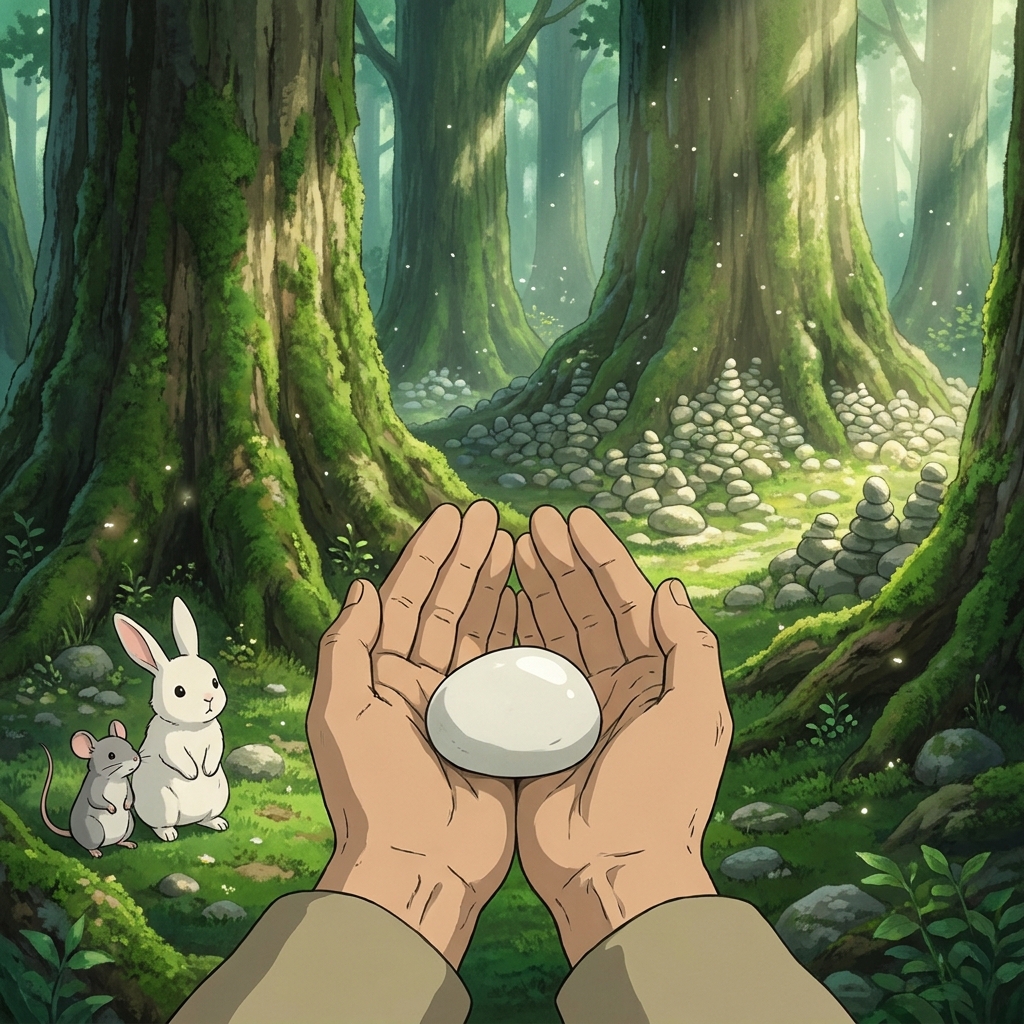
Basic Information
Location: 13294 Kawakita, Tsuno-cho, Koyu-gun, Miyazaki Prefecture
Enshrined kami: Onamuchi-no-mikoto (also known as Okuninushi-no-mikoto)
Shrine rank: Ichi-no-miya of Hyuga Province (formerly Kokuhei Shosha, now Beppyo Jinja)
Divine blessings: Matchmaking, prosperity of descendants, recovery from illness, business prosperity
Tsuno Jinja, located in the central-eastern part of Miyazaki Prefecture, is an ancient shrine known as the most prestigious “Ichi-no-miya” of Hyuga Province. It is said to have been founded six years before the enthronement of the first Emperor Jimmu, boasting a history of over 1,500 years. However, this jinja harbors numerous mysterious episodes and secrets that cannot simply be dismissed as just “an ancient shrine.”
Emperor Jimmu’s “Departure by Boat” and Prayers for Victory
The most famous legend associated with the history of Tsuno Jinja involves Emperor Jimmu’s eastern expedition (Jimmu Tosen). Emperor Jimmu stopped here on his way from his palace in Miyazaki to Yamato. It is said that the jinja originated when the Emperor himself enshrined the kami, praying for the peace of the land, safe seas, and lasting military fortune.
Nearby, Yatogi-no-taki Waterfall is traditionally believed to be where soldiers sharpened their arrows at that time, making the entire Tsuno region a sacred place filled with Emperor Jimmu’s determination and prayers.
The Mystery of Fulfilling Wishes Hidden in the “Stone Offering Ritual”
When you visit Tsuno Jinja, the “Ishimochi Shinji” (stone offering ritual) is something you definitely should experience. You pick up one of the “kami no ishi” (sacred stones) placed near the entrance of the Sando (approach path) and carry it with you during your visit. It is said that if you place the stone in the “Ishinosho” (stone repository) behind the main hall, your wish will come true.
The roots of this ritual lie in the ancient “Hamamairi Shinji” (beach purification ritual). It is a transformed remnant of an old custom where people used to pick up small stones from a nearby beach and offer them to the jinja. Even today, the act of carrying a stone by hand and offering it to the kami in this place, where Emperor Jimmu offered his prayers, continues to attract many worshippers as a powerful spiritual spot.
A Cipher to Seal Away Oni? The Placement of “Rabbit” and “Mouse”
Within the jinja grounds, there are statues of “Nade Usagi” (stroking rabbit) and “Nade Nezumi” (stroking mouse), believed to be messengers of Okuninushi-no-mikoto (Onamuchi-no-mikoto). These are not just cute mascots.
In fact, an “urban legend”-like mystery is whispered about their placement. In the directions of the Chinese zodiac, North is “Ne” (mouse) and East is “U” (rabbit). The northeast direction, nestled between these two zodiac signs, has traditionally been known as “Kimun” (Ox-Tiger), an ominous direction through which misfortune is believed to enter.
The place name Tsuno (都農) can be linked to “tsuno” (角), meaning “horn,” which evokes the image of an oni (demon). Therefore, there is a theory that by placing the mouse and rabbit, the Kimun is sealed, and the immense power slumbering in this land is controlled.
The Story Behind the “Crescent Moon Stone” That Twice Toppled a Lord into the River
Near the main shrine, there is a sub-shrine called Mikazuki Jinja, where a mysterious legend of the “Mikazuki Ishi” (Crescent Moon Stone) remains.
During the Edo period, on his way to worship at Tsuno Jinja, the lord of the Takanabe domain slipped on stepping stones in the Natsuki River due to a common soldier (ashigaru), and the lord was thrown into the river and soaked. The magnanimous lord forgave the soldier the first time, but on the way back, he stumbled on the very same stone again.
Enraged by the double blunder, the lord was about to execute the soldier when the soldier pleaded, “Please, examine that stone!” Upon investigation, a distinct “crescent moon” pattern clearly emerged on the stone. Feeling the will of the kami, the lord forgave the soldier, and it is said that enshrining this stone marked the beginning of Mikazuki Jinja.
Pilgrimage Information
Miyazaki Prefecture has garnered attention as one of the settings for Makoto Shinkai’s animated film “Suzume no Tojimari,” though Tsuno Jinja itself is not directly depicted as a model. However, for fans exploring Emperor Jimmu’s eastern expedition route and the mythological world of Hyuga, Tsuno Jinja, as an Ichi-no-miya, is often incorporated into their sacred pilgrimage itinerary as an important spot to experience the “prayers to Japan’s kami” that underpin the film.
Tsuno Jinja is conveniently located adjacent to Michi-no-Eki Tsuno (Roadside Station Tsuno), offering very easy access. Feeling the breath of the age of myths, why not try making a wish upon a “kami no ishi” (sacred stone) yourself?
Related Links / References