 By ando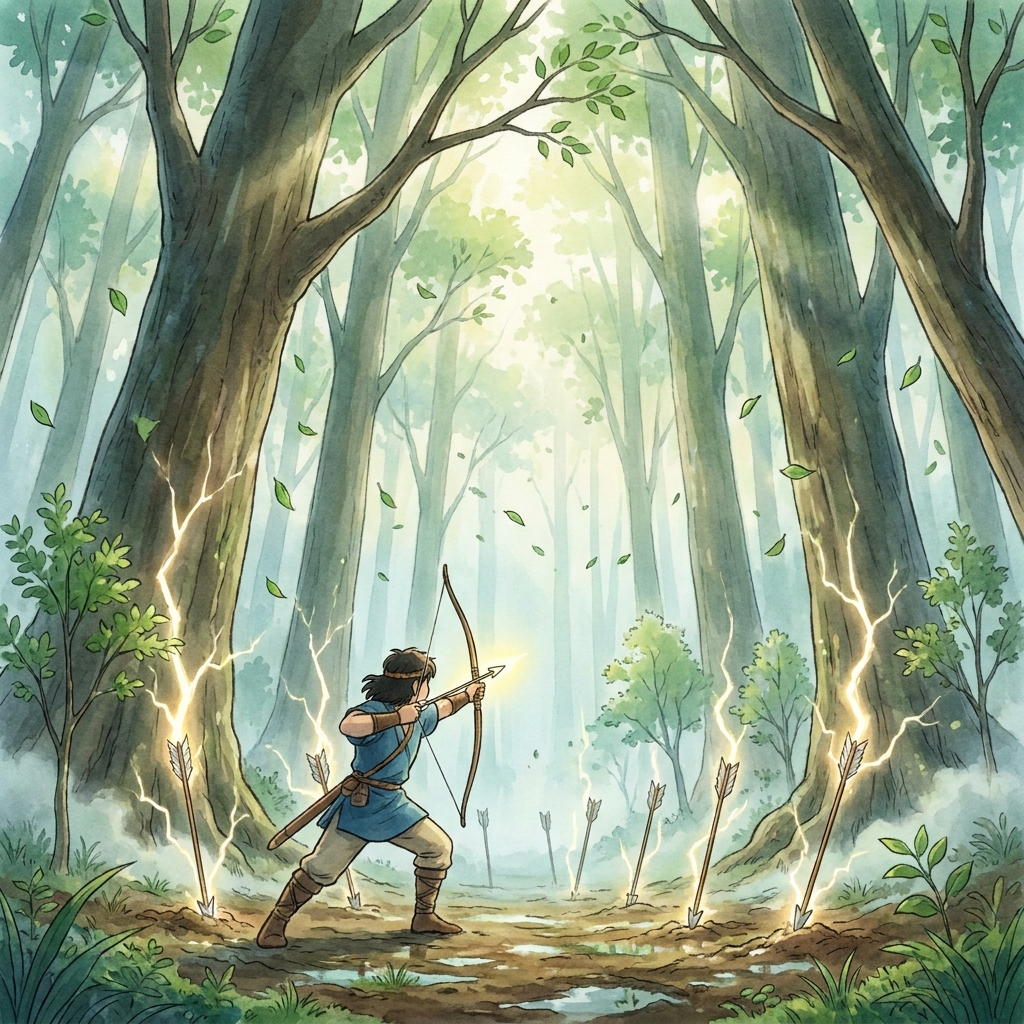
Yatsuki Tsutsukowake jinja is located in Tanagura Town, Fukushima Prefecture. Revered as “Oshu Ichinomiya” (the premier shrine of Oshu Province) since ancient times, it is a prestigious Myojin Taisha (grand shrine listed in the Engishiki Jinmyocho, a historical record of shrines). However, this shrine holds numerous legends and mysteries that fascinate history buffs and those who love a good puzzle.
Basic Information
Location: 224 Omiya, Yatsuki, Tanagura Town, Higashishirakawa District, Fukushima Prefecture
Deities enshrined: Ajisukitakahikone no Mikoto, Yamato Takeru no Mikoto
Main festival: Yatsuki Tsutsukowake Jinja’s Otaue (a ritual rice-planting ceremony, designated a National Important Intangible Folk Cultural Property)
The Origin of the Name “Yatsuki” and the Legend of Yamato Takeru’s “Eight Arrows”
The place name “Yatsuki,” which is part of this jinja’s name, carries a heroic legend related to Yamato Takeru.
During the reign of Emperor Keiko, Yamato Takeru embarked on his eastern expedition and confronted “eight Tsuchigumo” (an unsubmissive tribe) who ruled this land. They were incredibly powerful, and the imperial army faced great difficulty. Yamato Takeru prayed to the gods of heaven and earth, then shot eight “Tsuki no Ya” (arrows made from the “tsuki” tree).
It is said that the arrows flew with a sound like thunder, piercing all eight rebels. The spot where the arrows landed was called “Yatsuki” (meaning “arrow landing”), and later the kanji characters for “Yatsuki” (八槻, meaning “eight tsuki trees”) were adopted. Even more mysteriously, there is a legend that the arrows, after striking the ground, sprouted and grew into enormous tsuki (keyaki or zelkova) trees.
The Mystery of “Two Ichinomiya”
Interestingly, there is another jinja in Tanagura Town that bears the name “Tsutsukowake Jinja”: Baba Tsutsukowake Jinja.
Both claim to be the “Ichinomiya of Mutsu Province” (the premier shrine of Mutsu Province) and stand only about a 10-minute drive from each other. Why are there two Ichinomiya in the same town?
One theory suggests that they were originally a single jinja that later split, while another posits that the central location shifted over time. However, the exact reason remains shrouded in mystery.
Furthermore, the three shrines along the Kuji River — Baba (Kami no Miya, “Upper Shrine”), Yatsuki (Naka no Miya, “Middle Shrine”), and Chikatsu (Shimo no Miya, “Lower Shrine”) — are collectively known as “Chikatsu Sanja.” The formation of sacred areas along the river’s flow is a unique form of worship in this region.
A “Living History” Spanning Over 500 Years: The Yatsuki Family Residence
Right beside the jinja stands the “Yatsuki Family Residence,” the home of the Yatsuki clan who have served as chief priests (guji) for generations. This incredibly valuable structure dates back over 500 years to the late Muromachi period, preserving its architectural style to this day (designated an Important Cultural Property of Fukushima Prefecture).
It once served as a base for Kumano Shugen (Shugendo mountain asceticism), and traces within the house show that spears were kept ready in case of an attack, hinting at its history as more than just a residence – a fortress. The chief priest’s family continues to protect it today, and its gardens and dignified presence convey the profound legacy of a clan stretching back to mythological times.
The Yoshuku Ritual: Yatsuki’s Otaue
Held annually on the lunar New Year, the “Otaue Matsuri” is a “yoshuku” (pre-harvest prayer) ceremony performed to pray for a bountiful harvest in the coming year.
This ritual reenacts the rice-planting process, with the main hall (haiden) serving as a paddy field, complete with wooden oxen pulled around and farming tools made of mochi (rice cakes). Despite the humorous interactions, it embodies an ancient and elegant tradition. Designated a National Important Intangible Folk Cultural Property, it is known as a symbolic event that heralds the arrival of spring amidst Tohoku’s harsh winters.
Yatsuki Tsutsukowake Jinja is far more than just a “power spot”; it is a place where one can feel an overwhelming “depth of history.” Why not take a stroll through its tranquil grounds, pondering the fate of the arrows shot by Yamato Takeru?
Related Links and References
1. Hashii27’s Blog: Trip 387 – Tsutsukowake Jinja (Ichinomiya of Mutsu Province)
2. Yatsuki Tsutsukowake Jinja | Town-wide Museum | Tanagura Town Official Homepage
3. Fukushima Prefectural Historical Documents Information No. 7 | Fukushima Prefectural Historical Documents Information | Collected Materials and Publications/Catalogs | Fukushima Prefectural Archives
4. Baba Tsutsukowake Jinja, Yatsuki Tsutsukowake Jinja, Yatsuki Tsutsukowake Jinja’s Otaue
5. Tsutsukowake Jinja (Yatsuki) | Ichinomiya Across Japan | Ichinomiya Pilgrimage Association
6. No. 25 Fukushima Prefectural Important Cultural Property: Tanagura Town Yatsuki Tsutsukowake Jinja | News | Hakko Construction | A construction company supporting local life through architecture in Koriyama City, Fukushima Prefecture and Sendai City, Miyagi Prefecture
7. Yatsuki
8. Yatsuki Tsutsukowake Jinja | Jinja.com
9. Tsutsukowake Shrine appearing in Heian period writings | Everyday Delicacies